

Orthopedic Support for Large Dogs: A 2026 Guide
Table of Contents
- Why Large Dogs Need Orthopedic Support
- Signs of Joint Pain in Large Dogs
- Understanding Common Orthopedic Injuries and Conditions
- Best Orthopedic Dog Beds for Large Breeds
- Orthopedic Dog Knee Braces and Joint Stabilization
- Recovery, Rehabilitation, and Long-Term Mobility Management
- Choosing the Right Orthopedic Support for Your Large Dog
- Conclusion
Last Updated: August 25, 2026
Why Large Dogs Need Orthopedic Support
Large dog breeds face unique physical demands. Their body weight concentrates pressure on joints, ligaments, and bones, accelerating wear and tear. Hip dysplasia, cranial cruciate ligament injuries, and degenerative joint disease are common outcomes of aging and activity in these breeds.
Orthopedic support is preventive medicine. A 90-pound Labrador's stifle joint bears enormous load with every step. Without proper support, joint inflammation develops, mobility declines, and pain becomes chronic. Dogs receiving proper joint compression, weight distribution, and stabilization during their middle years often avoid severe arthritis later.
At My Store, we understand that large dog owners need solutions built specifically for their pets' size and strength. A bed designed for a 25-pound dog won't provide the support a 100-pound dog requires.
Signs of Joint Pain in Large Dogs
Joint pain manifests in specific, observable ways that owners often miss or attribute to normal aging.
Limping or favoring one hind leg is the most obvious signal. A dog compensating for joint pain shifts weight to the unaffected leg, creating an asymmetrical gait. This compensation pattern itself causes problems, the overworked leg develops secondary issues.
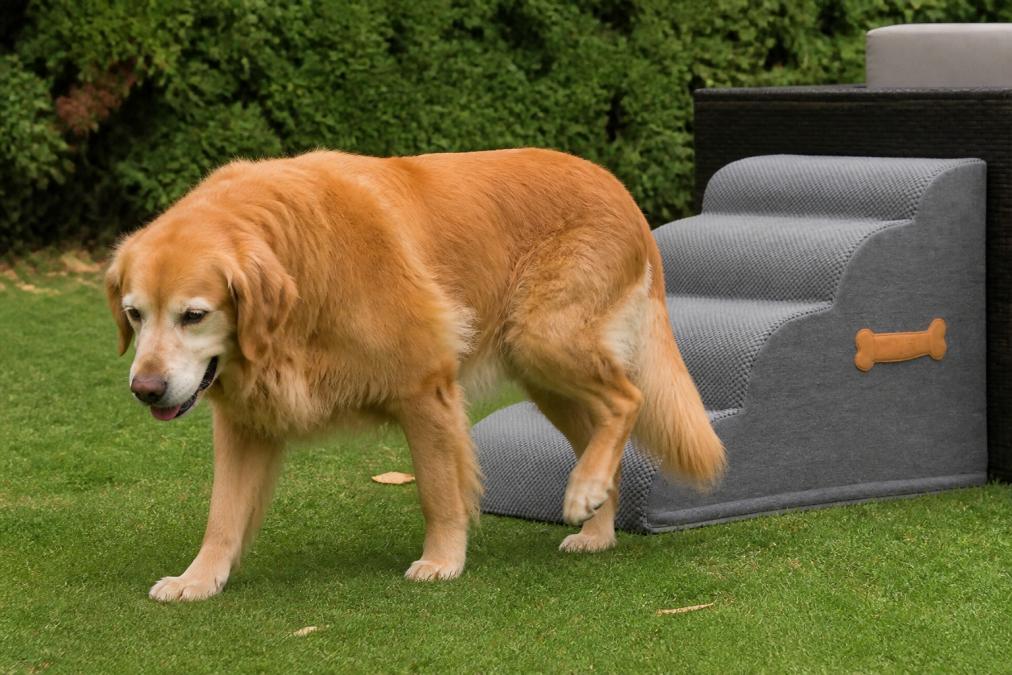
Reluctance to jump, climb stairs, or rise from lying down indicates stifle joint or hip problems. A dog that once bounded onto the couch now hesitates. These behavioral changes signal that movement causes discomfort.
Excessive licking or chewing at joints suggests inflammation and pain. Dogs often target the affected area repeatedly, providing temporary relief but indicating underlying joint compression or soft tissue injury.
Muscle atrophy, particularly in the hind legs, develops when a dog stops using a painful joint. Over time, this atrophy weakens the joint further, creating a cycle: pain reduces activity, reduced activity weakens muscles, weaker muscles increase joint stress.
Stiffness after rest is another key indicator. A dog that struggles to stand after sleeping for several hours has joint inflammation. Once they move for 5-10 minutes, they loosen up, this temporary improvement followed by return to stiffness is classic arthritis behavior.
Understanding Common Orthopedic Injuries and Conditions
Large dog breeds inherit predispositions to specific orthopedic problems.
Hip dysplasia is the most common inherited orthopedic condition in large dogs. The hip joint forms abnormally, creating instability and poor weight distribution. German Shepherds, Golden Retrievers, and Labrador Retrievers show particularly high incidence rates. Hip dysplasia doesn't always cause immediate pain, but the condition accelerates joint deterioration.
Cranial cruciate ligament injuries resemble ACL tears in humans. The ligament that stabilizes the stifle joint ruptures, either partially or completely. This injury causes immediate lameness and joint instability. Dogs with cruciate ligament damage need immediate stabilization to prevent secondary damage to cartilage and surrounding tissues.
Degenerative joint disease develops when cartilage breaks down and joint inflammation becomes chronic. Once cartilage damage begins, it cannot reverse; management focuses on slowing progression and managing pain.
Elbow dysplasia affects the elbow joint, causing lameness in the front legs. Like hip dysplasia, it's an inherited condition that worsens with age and activity. Large breed dogs with elbow dysplasia benefit from early orthopedic support to reduce joint compression.
The common thread: all these conditions benefit from orthopedic support that reduces joint compression, stabilizes ligaments, and distributes weight evenly. Early intervention produces better long-term outcomes.
Best Orthopedic Dog Beds for Large Breeds
An orthopedic dog bed forms the foundation of joint health management. Quality orthopedic beds use high-density foam or memory foam that maintains support over years of use.
Memory foam adapts to your dog's body shape, distributing pressure across the entire surface rather than concentrating it at pressure points. Dogs with arthritis sleep better on memory foam because the material reduces nighttime pain.
High-density foam provides firmer support. It resists compression over time, maintaining orthopedic benefits for years. Dogs recovering from surgery or dealing with acute joint inflammation often prefer firm support.
Elevated beds offer additional benefits for large dogs. By lifting your dog off cold floors, elevated designs improve circulation and reduce stiffness.
My Store's Elevated Rectangle Dog Sofa Bed combines orthopedic support with practical design. This bed uses high-density foam construction. At $314.16, it represents a significant investment, but dogs often use their beds 16+ hours daily.

Size matters enormously. Measure your dog's full length when stretched out, then add 12 inches. A dog should be able to lie completely flat with room to spare.
Orthopedic Dog Knee Braces and Joint Stabilization
When orthopedic beds alone aren't enough, knee braces and joint stabilization devices provide targeted support by compressing the joint, reducing inflammation, and limiting painful motion.
Adjustable hinged braces offer the most support for dogs with cranial cruciate ligament injuries or stifle joint problems. The hinge allows natural motion while preventing excessive movement that causes pain.
Choosing the correct size is critical. A brace too loose provides no support; a brace too tight restricts circulation. Most quality braces come with detailed sizing charts. Measure your dog's leg circumference at the widest point and compare to manufacturer specifications.
Most dogs resist braces initially. Start with short wearing periods of 15-20 minutes and gradually increase duration over several days. Positive reinforcement with treats helps dogs associate the brace with good things.
Recovery timelines vary. Dogs with partial ligament damage often show improvement within 2-3 weeks of consistent brace use. Complete tears require 6-8 weeks of restricted activity combined with bracing.
Recovery, Rehabilitation, and Long-Term Mobility Management
Recovery from orthopedic injuries requires a structured approach combining rest, orthopedic support, and gradual rehabilitation.
Week 1-2: Acute Phase Restrict activity severely. Limit your dog to short bathroom breaks and brief walks on a leash. Use orthopedic support consistently to reduce inflammation and allow initial healing.
Week 3-4: Early Rehabilitation Begin gentle, controlled movement. Short walks on level ground help rebuild muscle without stressing the healing joint. Avoid stairs, jumping, and rough play.
Week 5-8: Progressive Rehabilitation Gradually increase activity duration. Introduce gentle swimming if available, as water provides support while allowing joint movement.
Week 8+: Return to Normal Activity Transition to regular activity while maintaining orthopedic support during rest periods. Many dogs benefit from ongoing bed support even after full recovery.
Long-term management focuses on preventing re-injury. Dogs that experienced one cranial cruciate ligament injury have high risk of injuring the opposite leg within 12 months. Ongoing orthopedic support, weight management, and controlled exercise reduce this risk.
Physical therapy exercises accelerate recovery. Range-of-motion exercises, gentle stretching, and controlled strengthening movements rebuild muscle mass that atrophy caused. A veterinary rehabilitation specialist can design an exercise program specific to your dog's injury.
Choosing the Right Orthopedic Support for Your Large Dog
Selecting appropriate orthopedic support requires matching your dog's specific condition to the right tool.
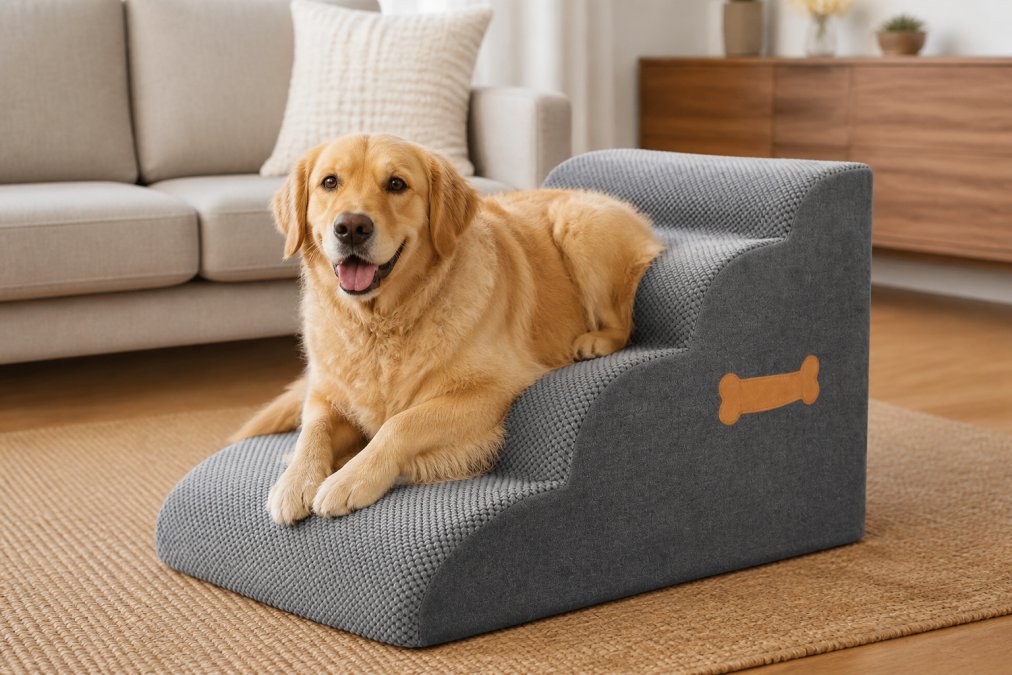
For preventive support in healthy large dogs: Start with an orthopedic bed. My Store's Dog Stair Ramp with Bone Handle ($23.80) addresses a specific prevention need, reducing joint stress when accessing furniture by eliminating repetitive jumping impact.

For dogs showing early signs of joint problems: Combine an orthopedic bed with mobility aids. The Pet Stairs Dog Climbing Ladder ($113.72) provides safe access to elevated surfaces without joint stress.
For dogs with diagnosed joint disease: Use orthopedic beds as the foundation, add braces during activity, and implement rehabilitation exercises.
For post-operative recovery: Follow your veterinarian's specific recommendations, generally combining restricted activity, orthopedic support, and gradual rehabilitation.
Weight management supports orthopedic health. A 10-pound reduction in body weight reduces joint stress by approximately 10-15 pounds of force with each step. For a 100-pound dog, losing 10 pounds reduces joint compression significantly.
Conclusion
Orthopedic support for large dogs prevents suffering and preserves mobility. Whether through preventive beds for healthy dogs or targeted braces for injured dogs, the right orthopedic support makes a measurable difference in quality of life.
My Store offers the orthopedic solutions large dog owners need. From the Dog Stair Ramp with Bone Handle that prevents joint stress when accessing furniture to the Elevated Rectangle Dog Sofa Bed that provides nightly orthopedic support, our products are built for large dogs' specific needs. Shop Pet Essentials Now and give your large dog the joint support that keeps them active, comfortable, and pain-free for years to come.
Frequently Asked Questions
How do I know if my large dog needs orthopedic support?
Watch for signs like difficulty rising from rest, reluctance to climb stairs, limping, or reduced activity. Large breeds are prone to hip dysplasia, cranial cruciate ligament tears, and degenerative joint disease. If your dog shows stiffness after rest, avoids jumping, or has visible joint swelling, consult your veterinarian. Early intervention with orthopedic support can prevent muscle atrophy and improve mobility.
What are the benefits of memory foam beds for large dogs?
Memory foam distributes weight evenly, reducing pressure on joints and providing joint pain reduction. This is especially helpful for dogs with arthritis or post-operative recovery needs. The material contours to your dog's body, improving alignment and supporting the spine. Better pressure point relief means less tossing and turning, allowing deeper, more restorative sleep, critical for healing.
Are orthopedic dog knee braces effective for large dog joint issues?
Yes, when properly fitted. Orthopedic dog knee braces provide ligament stabilization and joint compression, reducing pain during movement. They're especially effective for cranial cruciate ligament injuries and stifle joint problems. A veterinary-recommended brace can improve gait correction and range of motion while supporting soft tissue healing. Results depend on proper fit and consistent use during recovery.
At what age should I start using orthopedic support for my large dog?
Large breeds benefit from preventive orthopedic support starting around 5-7 years old, when joint wear accelerates. However, if your dog has a breed predisposition to hip dysplasia or has suffered an injury, earlier intervention is wise. Puppies of giant breeds may benefit from supportive bedding to prevent early joint stress. Your veterinarian can recommend a timeline based on your dog's health history and breed profile.
What features should I look for in an orthopedic bed for a giant breed?
Prioritize high-density foam for proper weight distribution and pressure relief. Look for beds with orthopedic alignment support, non-slip bases for stability, and waterproof, washable covers for easy cleaning. Size matters, ensure the bed is long enough for your dog to stretch fully. Elevated designs reduce strain on joints. Vet-recommended products with proven durability are worth the investment.
How does weight distribution affect orthopedic support needs in large dogs?
Large dogs place significant stress on joints due to body weight. Proper weight distribution through supportive padding and density foam reduces strain on the hips, knees, and spine. Uneven weight distribution can worsen existing joint inflammation and accelerate degenerative joint disease. Orthopedic support redistributes load, protecting vulnerable areas like the stifle joint and promoting musculoskeletal health.
This article was written using GrandRanker