

Durable Orthopedic Dog Beds for Chewers: A 2026 Guide
Table of Contents
- What Makes a Dog Bed Chew-Proof and Durable
- Orthopedic Support and Joint Health Benefits
- How to Stop a Dog From Chewing Their Bed
- Best Orthopedic Dog Bed for Large Dogs
- Maintenance, Cleaning, and Repairability
- Safety and Non-Toxic Materials for Your Dog
- Conclusion
Last Updated: August 8, 2026
What Makes a Dog Bed Chew-Proof and Durable
A durable orthopedic dog bed for chewers combines reinforced materials with strategic construction to withstand aggressive chewing while providing joint support. Standard beds fail because they prioritize softness over durability, cushioned edges, exposed stitching, and fabric-covered zippers become immediate targets. My Store's approach focuses on beds that balance orthopedic comfort with materials engineered to survive real-world abuse.

Materials That Resist Tearing and Punctures
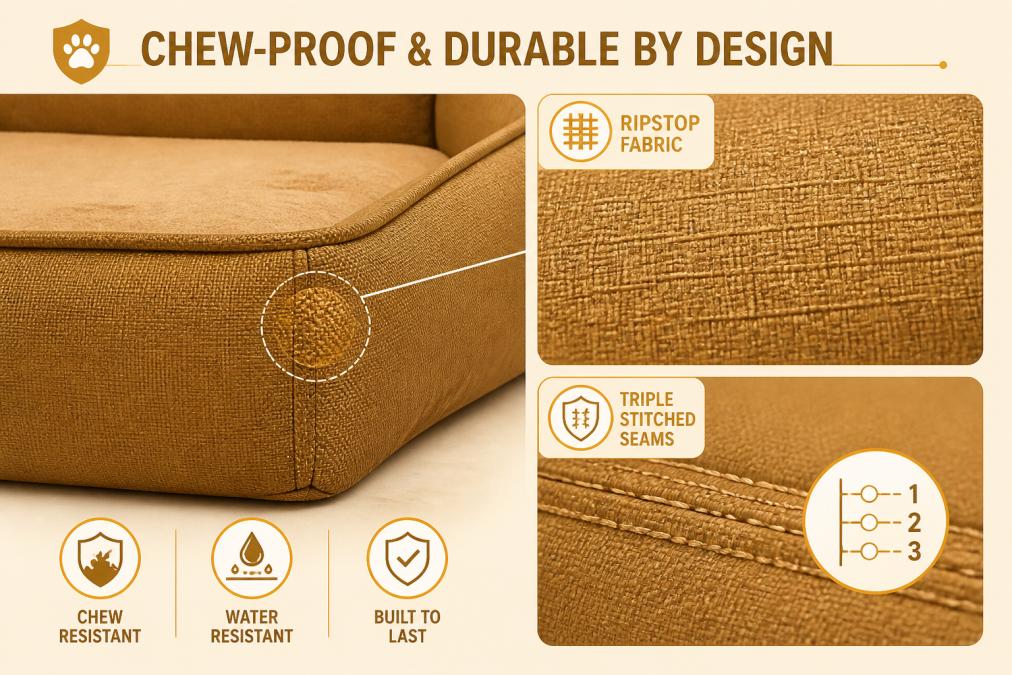
Ripstop ballistic nylon and military-grade materials resist punctures due to their tight weave, making it difficult for teeth to gain purchase. High-density foam cores resist being torn apart from the inside, when a dog bites down, the foam doesn't yield as readily, making the effort less rewarding. Waterproof liners prevent moisture damage that weakens fabric over time and reduce odor absorption that might attract chewing behavior.
Construction Features That Add Longevity
Triple-stitched seams distribute stress across a wider area; if one row tears, the others hold. Enclosed zippers are critical, exposed zippers are chew magnets, so the best designs hide them under a flap or use concealed designs. For elevated beds, all-metal or aluminum frames with fabric stretched taut eliminate soft, grabbable edges. The fabric is secured to the frame rather than sitting loose, so there's nothing to bunch up or tear free.
Orthopedic Support and Joint Health Benefits
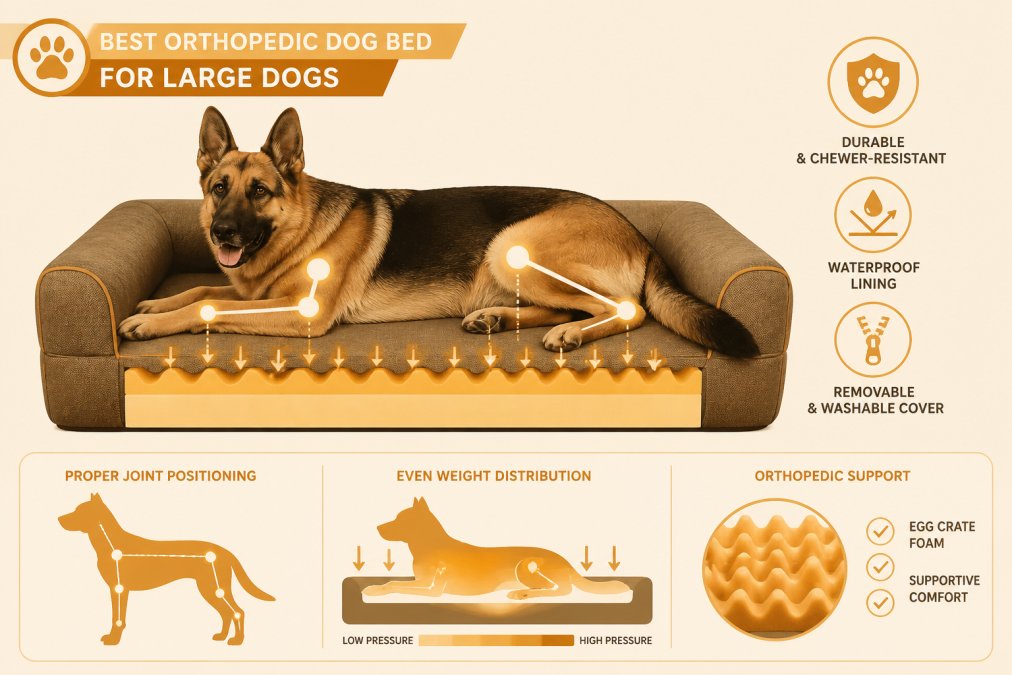
Orthopedic support becomes increasingly important as dogs age or develop joint issues like hip dysplasia or arthritis. A bed that distributes weight evenly reduces pressure on joints, particularly the hips, shoulders, and elbows. Memory foam and high-density foam cores conforming to your dog's body shape prevent the spine from sagging. Ideal thickness is 4-7 inches, enough to provide cushioning without sinking too deeply and losing support.
For large breed dogs, joint support is therapeutic. According to veterinary orthopedic research from the American Animal Hospital Association, proper bedding can reduce joint pain in senior dogs by improving circulation and reducing pressure points during rest.
How to Stop a Dog From Chewing Their Bed
A chew-proof bed is the hardware solution, but behavior modification determines whether your dog actually uses the bed for rest. Dogs chew beds for distinct reasons, anxiety, boredom, teething, learned behavior, or insufficient appropriate outlets, and each requires different intervention.
Identifying the Root Cause of Destructive Chewing
Anxiety-driven chewing typically occurs when the dog is alone or during specific triggers. Boredom-driven chewing happens consistently throughout the day, especially in dogs with insufficient exercise or mental stimulation. Teething in puppies under 12 months is predictable and self-limiting. Learned behavior, where a dog has successfully destroyed previous beds, creates a reinforced expectation that beds are chew toys.
Observe the pattern: Does chewing intensify at specific times? Does it happen only when your dog is alone? These patterns reveal the underlying driver.
Exercise and Mental Stimulation Protocols
Insufficient physical activity is the single most common driver of destructive chewing in dogs under age 7. The American Kennel Club recommends minimum daily exercise based on breed energy level: high-energy breeds require 60-120 minutes daily, moderate-energy breeds need 30-60 minutes, and lower-energy breeds benefit from 20-30 minutes. Mental stimulation matters equally, puzzle toys, scent work, training sessions, and interactive games engage the brain more effectively than physical activity alone. A 30-minute walk followed by 15 minutes of puzzle-toy engagement often reduces destructive chewing more than a 60-minute walk without mental challenge. Rotate toys every 3-5 days to maintain novelty.
Anxiety Management and Environmental Modification
Crate training is foundational, a properly sized crate creates a secure den-like space that reduces anxiety-driven chewing during high-stress periods. Pair the crate with a durable orthopedic bed inside.
Auxiliary anxiety tools include:
- Calming supplements: L-theanine, L-tryptophan, and adaptogenic herbs are evidence-supported options. Consult your veterinarian before introducing supplements.
- Anxiety wraps: Thundershirts apply gentle, sustained pressure similar to swaddling, calming the nervous system.
- White noise and masking sounds: Background noise masks triggering environmental sounds that spike anxiety.
- Pheromone diffusers: Adaptil (dog-appeasing pheromone) reduces anxiety in some dogs through diffusers, sprays, or collar products.
For severe separation anxiety, consult a certified animal behaviorist (CAAB or IAABC credential). Medication prescribed by a veterinarian combined with behavior modification is the evidence-based standard for clinical anxiety.
Appropriate Chewing Outlets and Redirection
Dogs have an innate need to chew; the goal is channeling that drive toward appropriate targets. Provide durable, long-lasting chew options:
- Natural rubber toys: Kong Extreme (black rubber) resists puncture better than standard Kong toys.
- Bully sticks, yak chews, and natural chews: Satisfy the chewing urge for extended periods.
- Puzzle toys and treat-dispensing toys: Require problem-solving and extend engagement time.
Ensure appropriate chew toys are always accessible, especially during high-risk times. When you catch your dog chewing the bed, interrupt gently and immediately redirect to an appropriate toy. Praise and reward engagement with the correct toy. Punishment after the fact increases anxiety, which worsens chewing.
Bed Design Choices That Support Behavior Goals
Elevated frame beds eliminate soft, grabbable fabric edges; the fabric is stretched taut across a metal frame, providing nothing to bunch, pull, or tear free. Crate-compatible beds sized to fit standard crates create a snug, den-like space that encourages resting rather than play and chewing. Avoid beds with decorative elements (tassels, loose trim, removable cushions, fabric-covered zippers) that invite chewing. For dogs with a history of successful bed destruction, skip soft fabrics entirely and move directly to ballistic nylon or ripstop materials. Size also influences behavior: a properly sized bed, one where your dog can stretch out but not sprawl across open space, encourages settling and resting.
Best Orthopedic Dog Bed for Large Dogs
Large breed dogs have specific needs. Their weight concentrates pressure on joints more severely than smaller dogs, and their sheer size means they need beds that actually support them without bottoming out.
Weight Capacity and Size Considerations
Check weight capacity carefully. A bed rated for 100 pounds might bottom out with a 110-pound dog. Look for beds with weight ratings 20-30 pounds above your dog's actual weight. Size should accommodate full stretching, measure your dog lying down with legs extended, then add 6-12 inches. Frame strength matters for large dogs; flimsy frames bend under weight. Solid aluminum or steel frames with proper bracing handle large dogs without sagging. Elevated beds generally work better for large breeds because the frame bears weight rather than the filling material.
Top Recommendations for Large Breed Chewers
The SunStyle Home Orthopedic Dog Bed for XX-Large Dogs delivers substantial orthopedic support with egg-crate foam that distributes weight evenly. The removable, washable cover is practical for large dogs, and the non-slip bottom keeps the bed in place. At $99.99, it's solid value for large breed owners.
For aggressive chewers, elevated frame beds eliminate soft edges. Elevated beds with ripstop fabric and metal frames are options that large chewers struggle to destroy. These can cost $120-160 but justify the investment if your dog has a history of destroying standard beds.
Maintenance, Cleaning, and Repairability
A bed's true lifespan depends as much on maintenance and repairability as on initial durability. A $150 bed that lasts 3 years costs $50 per year; a $200 bed that lasts 7 years with proper care costs $29 per year.
Routine Cleaning Protocols by Material Type
Machine-Washable Covers
Wash covers every 2-4 weeks in cold water on a gentle cycle with mild detergent. Air-dry completely before replacing; heat from dryers can damage elastic edges. For dogs with urinary incontinence, wash covers weekly. Pre-soak heavily soiled covers in cold water with enzyme-based cleaner for 30 minutes before washing.
Foam Cores and Non-Removable Covers
Blot fresh accidents immediately with paper towels to absorb moisture before it penetrates the foam. Apply enzyme-based cleaner directly to the soiled area, allow it to sit for 10-15 minutes, then blot again. Rinse with a damp cloth and allow it to air-dry completely (12-24 hours) before returning the bed to use. For odor control, sprinkle baking soda over the entire bed surface, allow it to sit for 15-30 minutes, then vacuum thoroughly.
Waterproof Liners
If the liner is removable, wash it separately in cold water monthly. If sealed, wipe the exterior surface with a damp cloth monthly. Check periodically for tears or punctures; a compromised waterproof liner allows urine to penetrate the foam core.
Repairability: Which Beds Can Be Fixed and How
Removable Cover Systems (Highly Repairable)
Beds with removable covers are the most repairable option. If the cover tears, you can purchase a replacement cover from the manufacturer (typically $30-60) rather than replacing the entire bed. Before purchasing a bed, confirm that replacement covers are available and note their cost. Minor tears can be repaired with fabric patches.
Elevated Frame Beds (Moderately Repairable)
Elevated frame beds have replaceable fabric slings. If the fabric tears, you can often purchase a replacement sling for $40-80 without replacing the frame. Frame damage is rare; aluminum and steel frames last 10+ years with normal use.
Foam Core Beds (Minimally Repairable)
Beds with sealed foam cores and non-removable covers cannot be repaired if the foam compresses, tears, or becomes waterlogged. Once the foam degrades, the entire bed must be replaced. If the cover tears but the foam remains intact, you can extend the bed's life by wrapping it in a waterproof mattress protector.
Extending Bed Life Through Preventive Care
For dogs with a history of bed destruction or incontinence, place a waterproof mattress protector over the bed. This creates a sacrificial layer that protects the bed's cover from damage and moisture. Mattress protectors cost $20-40; replacing a protector is far cheaper than replacing a bed.
If you have multiple dogs or beds, rotate beds every 1-2 weeks. This allows thorough drying and airing, reduces concentrated wear, and extends the lifespan of each bed. Place beds in well-ventilated areas away from direct sunlight and heat sources.
Cost-Benefit Analysis: Repair Versus Replace
Before replacing a damaged bed, calculate whether repair is economical. If a replacement cover costs less than 40% of a new bed's price, repair is economical. If the foam is still firm but the cover is damaged, repair or protect the bed. If the foam is compressed, waterlogged, or deteriorating, replacement is necessary. A bed that's 5+ years old and showing multiple signs of wear may not justify repair investment.
Sustainable Disposal and Recycling
When a bed reaches end-of-life, consider disposal options beyond the landfill. Foam cores and fabric covers can sometimes be separated and recycled through specialized facilities. Contact your local waste management authority to identify foam recycling programs. Some pet shelters or rescue organizations accept gently used beds for dogs in their care.
Safety and Non-Toxic Materials for Your Dog
Dogs spend 12-16 hours daily on their beds, so material safety matters. Look for beds made from non-toxic, hypoallergenic materials that won't trigger skin reactions or respiratory issues.
Memory foam should be CertiPUR-US certified, meaning it's been tested for harmful chemicals like formaldehyde, phthalates, and heavy metals. Fabric covers should be dye-stable so color doesn't transfer to your dog's coat or skin. Waterproof liners should be PVC-free; modern waterproof liners use safer polymer alternatives. For dogs with known sensitivities, hypoallergenic covers made from cotton or synthetic blends that resist dust mites are worth the investment. Avoid beds with strong chemical smells, which indicate off-gassing materials that may irritate sensitive dogs.
According to pet safety guidelines from the American Kennel Club, non-toxic bedding is especially important for puppies and senior dogs whose systems are more sensitive to environmental toxins.
| Feature | Why It Matters | What to Look For |
|---|---|---|
| CertiPUR-US Foam | Ensures foam is free from harmful chemicals | Certification label on product or packaging |
| Waterproof Liner | Protects foam core and extends bed life | PVC-free polymer materials |
| Machine-Washable Cover | Allows regular cleaning and hygiene maintenance | Removable covers with zipper or fitted design |
| Hypoallergenic Fabric | Reduces skin irritation and allergic reactions | Cotton blends or synthetic hypoallergenic materials |
| Reinforced Seams | Increases durability and chew resistance | Triple-stitched or concealed seams |
| Non-Slip Bottom | Prevents bed from sliding on hard floors | Rubber or textured base coating |
Choosing a durable orthopedic dog bed for chewers means balancing three competing demands: durability that survives aggressive chewing, orthopedic support that protects aging joints, and safety materials that won't harm your dog. My Store's selection combines these elements with designs that prioritize both comfort and longevity. The Bite-Resistant Waterproof Dog Mat from My Store at $22.99 offers an entry-level option for moderate chewers, while premium orthopedic models provide advanced support for large breeds with joint issues. Start with a bed that matches your dog's specific chewing intensity and orthopedic needs, and you'll invest once rather than replacing beds every few months.

Frequently Asked Questions
What materials make a dog bed truly chew-proof?
True chew-proof dog beds use military-grade ballistic nylon, ripstop fabric, or heavy-duty vinyl with reinforced, triple-stitched seams. The frame construction matters too: elevated beds with aluminum frames that encase the fabric prevent dogs from accessing vulnerable areas. Look for beds with puncture-resistant covers and high-density foam cores. Brands like K9 Ballistics and Kuranda use aircraft-grade materials designed to withstand aggressive chewing. Many offer 120-day to 200-day chew-proof warranties as proof of their durability.
Do orthopedic dog beds actually help with joint pain in large dogs?
Yes, orthopedic dog beds can significantly reduce joint pain in large dogs when they feature proper memory foam or multi-layer foam construction. High-density, CertiPUR-US certified foam provides pressure relief and supports the spine, hips, and joints. Studies show that dogs with arthritis or hip dysplasia experience improved mobility and reduced pain when sleeping on supportive beds. Beds with 7 inches of quality foam and bolster sides offer the best joint support. Large breed dogs benefit most from beds specifically designed for their weight and size.
How do I know if a dog bed will fit my aggressive chewer?
Choose a bed with a track record: look for chew-proof warranties (120+ days), materials like ballistic nylon or ripstop fabric, and reinforced stitching. Elevated frame beds and cot-style designs make it harder for dogs to access fabric. Avoid plush beds with exposed seams if your dog is a heavy chewer. Consider the breed and chewing intensity: Pit Bulls and determined diggers need elevated or frame-based designs, while moderate chewers can use beds with tear-resistant covers. Check customer reviews from owners of similar breeds to gauge real-world durability.
What's the difference between chew-resistant and chew-proof?
Chew-resistant beds slow down aggressive chewing but are not guaranteed to prevent it entirely. They use durable fabrics and reinforced seams to extend longevity. Chew-proof beds are engineered specifically to withstand extreme chewing with military-grade materials, frame protection, and backed by warranties (often 120-200 days). No bed is 100% indestructible for the most determined chewers, but chew-proof beds come with guarantees and replacement options if your dog does get through them. For true aggressive chewers, invest in chew-proof designs with warranties.
This article was written using GrandRanker