

How to Keep Pets Entertained Alone: 7 Proven Strategies
Table of Contents
- Understand the Difference Between Boredom and Separation Anxiety
- How Long Can a Dog Be Left Alone: Age and Breed Considerations
- Mental Stimulation for Dogs Home Alone: Interactive Puzzle Toys and Feeders
- Durable Toys for Aggressive Chewers That Last
- Enrichment Activities That Keep Pets Engaged
- Pre-Departure Routines and Environmental Setup
- Monitoring Your Pet and Knowing When to Seek Professional Help
Last Updated: August 17, 2026
Understand the Difference Between Boredom and Separation Anxiety
Boredom and separation anxiety are distinct problems requiring different solutions. A bored pet destroys furniture or chews excessively from lack of mental stimulation, while a pet with separation anxiety experiences genuine distress when left alone, often showing panic-like behavior, excessive drooling, or attempts to escape.
Separation anxiety typically stems from insecurity or past trauma, whereas boredom results from insufficient mental and physical stimulation. Signs of separation anxiety include destructive behavior focused on exit points, while boredom manifests as general restlessness or repetitive actions. Proper environmental enrichment, mental stimulation, and consistent routines can address both issues, the key is tailoring your approach to your pet's specific needs.
How Long Can a Dog Be Left Alone: Age and Breed Considerations
Different ages and breeds have vastly different tolerance levels for alone time. Puppies under six months should not be left alone for more than two to three hours due to limited bladder control. Adult dogs typically manage four to six hours comfortably, while senior dogs (ages seven and older) often struggle with longer periods due to physical limitations like incontinence or cognitive decline.
Breed temperament plays a significant role in how well dogs handle solitude. Breeds with strong pack instincts, like Huskies or Beagles, typically struggle more than independent breeds like Basset Hounds or Akitas. Working breeds and high-energy dogs require more mental stimulation and physical exercise before being left alone. Small breeds often have smaller bladders and may need more frequent bathroom breaks than larger dogs.
Mental Stimulation for Dogs Home Alone: Interactive Puzzle Toys and Feeders
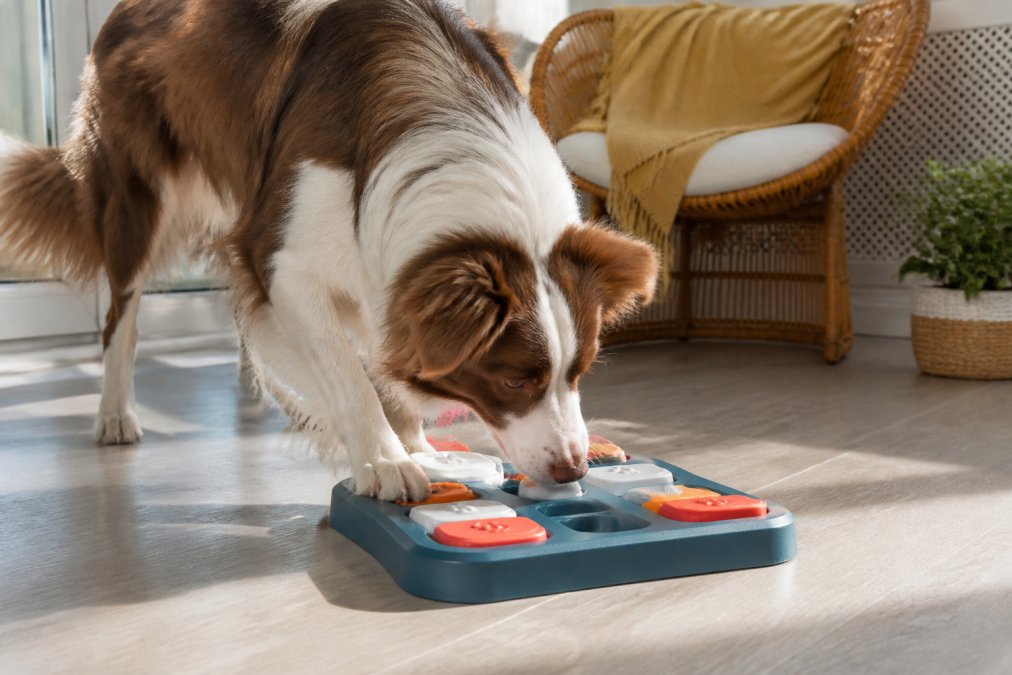
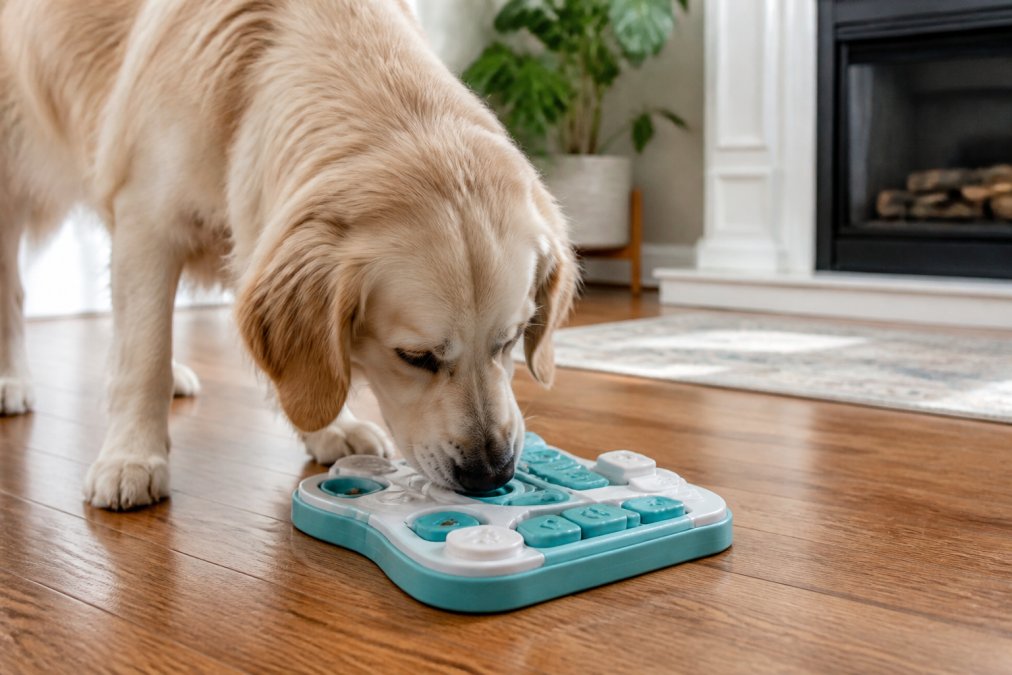
Mental stimulation is one of the most effective ways to keep pets entertained alone. Interactive puzzle toys force your dog to think, problem-solve, and work for their food, engaging natural foraging instincts. Puzzle feeders like the Pet Dog Baseball Food Reward Machine provide extended engagement by requiring dogs to manipulate different sections to access kibble.

Interactive toys with sound and motion add another dimension to mental stimulation. The Interactive Plush Pet Toy - Sound & Motion Jumping Fish or Flapping Bird mimics prey-like movements that trigger hunting instincts, providing both entertainment and mental engagement.

Rotating your dog's toy selection keeps novelty high and prevents habituation. Store half your toys away and swap them weekly to maintain excitement. The Bone Silicone Licking Dog Slow Food Mat offers another excellent option, spread wet food, peanut butter, or yogurt on the textured surface, and your dog must work their tongue to extract the food, providing extended engagement while keeping them calm and focused.
Durable Toys for Aggressive Chewers That Last
Not all toys survive an aggressive chewer. Finding durable toys requires understanding material strength, construction quality, and which toys are safe to leave unsupervised.
Material Comparison: What Actually Withstands Power Chewing
Rubber toys made from natural or reinforced synthetic rubber resist puncturing better than plush or thin plastic alternatives. Look for toys with a Shore A hardness rating between 40-60, indicating material firm enough to resist tearing but not so hard it risks tooth fracture. Nylon toys designed for aggressive chewers use reinforced fibers that resist splintering.
Rope toys are risky for aggressive chewers left alone, fibers can separate and be ingested, potentially causing intestinal blockage. Reserve rope toys for supervised play only. Plush toys with squeakers are unsuitable for aggressive chewers, as squeakers can be extracted and swallowed, and stuffing poses choking risks.
Safe Toys for Unsupervised Alone Time
Solid rubber toys like Kong Extreme (black rubber, designed for power chewers) are among the safest options for unsupervised use. These toys have no seams, no stuffing, and no small parts. Rubber rings and tires designed for dogs are durable and safe for unsupervised chewing. Nylon chew toys marketed for power chewers are generally safe if they're solid construction with no hollow sections, though monitor your dog's chewing intensity during supervised play first.
Toys to Avoid for Unsupervised Alone Time
Stuffed toys, rope toys, toys with squeakers, and toys with plastic attachments should never be left with an aggressive chewer who's unsupervised. Small toys that fit entirely in your dog's mouth are choking hazards regardless of material. A toy should be at least as long as your dog's muzzle or wider than their mouth opening.
Inspection and Replacement Guidelines
Inspect durable toys weekly for cracks, splintering, chunks missing, or areas where material is separating. Replace toys when they show significant wear. Most high-quality durable toys last 3-6 months with an aggressive chewer before needing replacement.
Enrichment Activities That Keep Pets Engaged
Beyond toys, enrichment activities provide mental stimulation and behavioral outlets. Scent work and nose work games tap into your dog's natural tracking abilities. Hide treats around your home or in puzzle boxes and encourage your dog to find them using their nose.
DIY Enrichment Options for Budget-Conscious Pet Parents
Toilet paper tubes stuffed with kibble and folded at the ends create simple puzzles. Egg cartons filled with treats and closed shut offer similar engagement. Cardboard boxes layered with shredded paper or old towels hide treats throughout, encouraging natural foraging behavior that can occupy a dog for 20-30 minutes.
Snuffle mats mimic natural foraging behavior, hide treats in fabric strips woven together, and your dog must use their nose to search. You can purchase snuffle mats or create a DIY version using an old towel: tie knots throughout, tuck treats into the knots, and roll it loosely so your dog can unroll and search.
Age-Specific Enrichment Strategies
Puppies (under 6 months) benefit from shorter, more frequent enrichment sessions, 5 to 10 minutes every few hours. Soft puzzle toys designed for puppies are safer than hard plastic alternatives. Avoid long-lasting chews like bully sticks for puppies under 4 months.
Adult dogs (1-7 years) handle longer enrichment sessions and more complex puzzle toys. Rotate enrichment types to prevent habituation: alternate between scent work, puzzle feeders, and DIY activities.
Senior dogs (7+ years) need gentler enrichment that doesn't strain joints. Lick mats with soft foods like pumpkin puree or plain yogurt provide mental engagement without physical strain. Frozen lick mats can be particularly soothing for seniors experiencing joint discomfort.
Safety Protocols for Unsupervised Enrichment
Ensure all components are appropriately sized for your dog's mouth. Remove any small parts that could detach, loose threads from snuffle mats, pieces of cardboard from boxes, or fragments from chewed toys. Inspect DIY enrichment daily and discard items showing signs of deterioration.
Frozen treat-stuffed toys require caution with senior dogs or those with dental issues, extremely hard frozen toys can crack teeth. Thaw frozen toys slightly before leaving them out.
Avoid enrichment items containing xylitol, chocolate, grapes, raisins, onions, or garlic, all toxic to dogs. Peanut butter is safe, but verify it contains no xylitol.
Rotating enrichment activities prevents habituation and maintains excitement. If your dog does scent work every day, they may lose interest. Alternating between different enrichment types keeps your pet engaged.
Pre-Departure Routines and Environmental Setup
Establishing consistent pre-departure routines helps your pet understand that your leaving is a predictable, non-threatening event. Begin your routine 30 minutes before leaving. Avoid dramatic goodbyes or excessive attention, as this can amplify anxiety. Instead, calmly prepare your pet's environment, provide enrichment, and leave matter-of-factly.
Create a designated comfortable space where your pet feels secure. This might be a specific room, crate, or bed where they know enrichment activities and comfort items are available. Familiar scents, like a blanket that smells like you, can provide reassurance.
Ensure your space is temperature-controlled and well-ventilated. Provide fresh water in a spill-proof bowl, and position enrichment toys in easily accessible locations. Remove hazardous items like electrical cords, toxic plants, or small objects that could be swallowed.
For pets with significant separation anxiety, gradually build tolerance through desensitization. Start by leaving for very short periods (five minutes) and gradually extend duration. This teaches your pet that you always return and that alone time is manageable.
Monitoring Your Pet and Knowing When to Seek Professional Help
Pet cameras with audio and video capabilities allow you to observe your dog's behavior and interact remotely. The Automatic Pet Feeder With Camera combines feeding with video monitoring, letting you watch your pet and dispense treats remotely.

Video monitoring reveals whether your pet is genuinely distressed or simply resting. Many pet parents assume their dog is suffering when they're actually sleeping peacefully.
Watch for warning signs indicating your pet may need professional help: excessive destructive behavior, self-injury, or signs of extreme distress warrant consultation with a veterinary behaviorist. A veterinarian can rule out medical issues that might contribute to behavioral problems. Incontinence, pain, or underlying health conditions can manifest as destructive behavior or anxiety.
Professional pet sitters or dog walkers provide midday interaction and bathroom breaks, which many pets benefit from significantly. Even a 30-minute midday visit can reduce anxiety and provide necessary physical exercise.
Training a dog to be comfortable alone takes time and consistency. Many pet parents see improvement within two to four weeks of implementing structured enrichment and routines, while others may need months of gradual desensitization.
Keeping your pet entertained alone requires understanding their individual needs and providing appropriate mental stimulation, enrichment activities, and environmental setup. The strategies covered here work best when combined into a comprehensive approach tailored to your pet's age, temperament, and anxiety levels. My Store offers carefully selected pet essentials designed to support enrichment and comfort, from durable toys to smart feeders with monitoring capabilities. Shop Pet Essentials Now and create an environment where your pet thrives even when you're away.
Frequently Asked Questions
What is the 7-7-7 rule for dogs?
The 7-7-7 rule is a guideline for newly adopted dogs: 7 days to decompress, 7 weeks to learn basic routines, and 7 months to fully settle in. This applies to how long dogs need adjustment time, not daily alone time. For keeping pets entertained alone, this rule reminds you that behavioral changes take time, enrichment strategies work best when practiced consistently over weeks, not days.
How can I keep my dog entertained when I'm alone?
Combine multiple enrichment methods: rotate interactive toys like puzzle feeders, provide frozen treats in durable toys, use scent games with hidden kibble, and set up a pre-departure routine that includes physical exercise. Mental stimulation for dogs home alone is just as important as physical activity. Puzzle feeders and snuffle mats engage their natural foraging instincts and can occupy a dog for 30 minutes to an hour. The key is variety, changing toys and activities prevents habituation.
How long can a dog be left alone without issues?
Adult dogs (over 18 months) can typically handle 4-6 hours alone, though some manage 8 hours with proper enrichment. Puppies and seniors need breaks every 2-4 hours. How long can a dog be left alone depends on age, training, temperament, and whether separation anxiety is present. Dogs with boredom issues often show destructive behavior within 2-3 hours, while those with separation anxiety panic earlier. Always provide mental stimulation and monitor your pet's response to absences.
What's the difference between a bored dog and one with separation anxiety?
Bored dogs destroy toys, dig, or chew excessively but remain calm when you return. Dogs with separation anxiety panic, whine, or have accidents within minutes of departure and show extreme excitement when you return. Boredom is solved with enrichment activities and mental engagement. Separation anxiety requires desensitization, calming techniques, and sometimes professional help. Enrichment alone won't fix anxiety, so identifying which issue your pet has is crucial for choosing the right solution.
This article was written using GrandRanker