

How to Choose Safe Pet Toys: A Complete Guide
Table of Contents
- What Makes a Pet Toy Safe
- Non-Toxic Pet Toys: Materials That Protect Your Pet
- Match Toy Size and Durability to Your Pet's Chewing Style
- Signs of a Dangerous Pet Toy: What to Watch For
- Supervised vs. Unsupervised Play: When to Step In
- How to Clean Pet Toys and Maintain Safety
- When to Replace or Discard Toys
- Conclusion
Last Updated: August 28, 2026
What Makes a Pet Toy Safe
A safe pet toy is one that's designed to withstand your pet's chewing and play habits without breaking apart, splintering, or releasing small parts that could become choking hazards. Safety depends on durability, material composition, appropriate sizing, and ongoing inspection for wear and tear.
The foundation of toy safety rests on three pillars: the materials used, the construction quality, and how well the toy matches your individual pet's chewing style and size. A toy that's perfect for a gentle chewer might be destroyed in minutes by a power chewer, creating dangerous fragments. Similarly, a toy sized for a large breed dog becomes a choking hazard for a small breed.
What most pet parents miss is that toy safety isn't a one-time decision. A toy can be completely safe when new and become dangerous as it deteriorates. This means you need to know not just how to choose safe pet toys initially, but how to monitor them throughout their lifespan and recognize when replacement is necessary.
Choosing truly safe pet toys becomes straightforward once you understand what to look for.
Non-Toxic Pet Toys: Materials That Protect Your Pet
The material your pet toy is made from matters more than most people realize. Non-toxic pet toys use materials that won't poison or chemically harm your pet if ingested, and they're designed to resist breaking down into dangerous particles during normal chewing.
Natural rubber, canvas, and certain types of rope are among the safest material choices. Natural rubber toys are durable, washable, and don't splinter. Canvas materials, like those used in the Bite-Resistant Cartoon Pet Dog Toy - Durable Chew Toy from My Store, provide excellent durability for dogs that love to chew while remaining safe if small fibers are ingested.

Avoid toys made from materials that splinter easily, such as untreated wood or certain plastics. Rawhide chews are controversial, while digestible, they can pose choking or intestinal obstruction risks, especially for dogs that swallow large pieces without chewing thoroughly (avma.org). If you use rawhide, choose only products that are clearly labeled as digestible and supervise your pet closely.
Synthetic fibers in plush toys can be problematic (peer-reviewed research). Many plush toys shed fibers that accumulate in your pet's digestive system. If your pet loves plush toys, choose ones with reinforced seams and tight stitching, and inspect them regularly for loose threads or stuffing that's coming out.
Dental chews made from compressed natural materials are generally safe because they're designed to break down gradually during chewing. However, not all dental chews are created equal, look for products that have been tested for safety and digestibility.
The key is understanding the material composition of any toy before it reaches your pet's mouth. Read labels carefully, research the manufacturer, and when in doubt, contact the company directly to ask about testing standards and material sourcing.
Match Toy Size and Durability to Your Pet's Chewing Style
Power Chewers vs. Gentle Chewers
Your pet's chewing intensity determines which toys will hold up and which will quickly become hazardous. Power chewers, dogs that aggressively chew toys, apply intense jaw pressure, and destroy toys rapidly, need fundamentally different toys than gentle chewers who mouth toys without aggressive force.
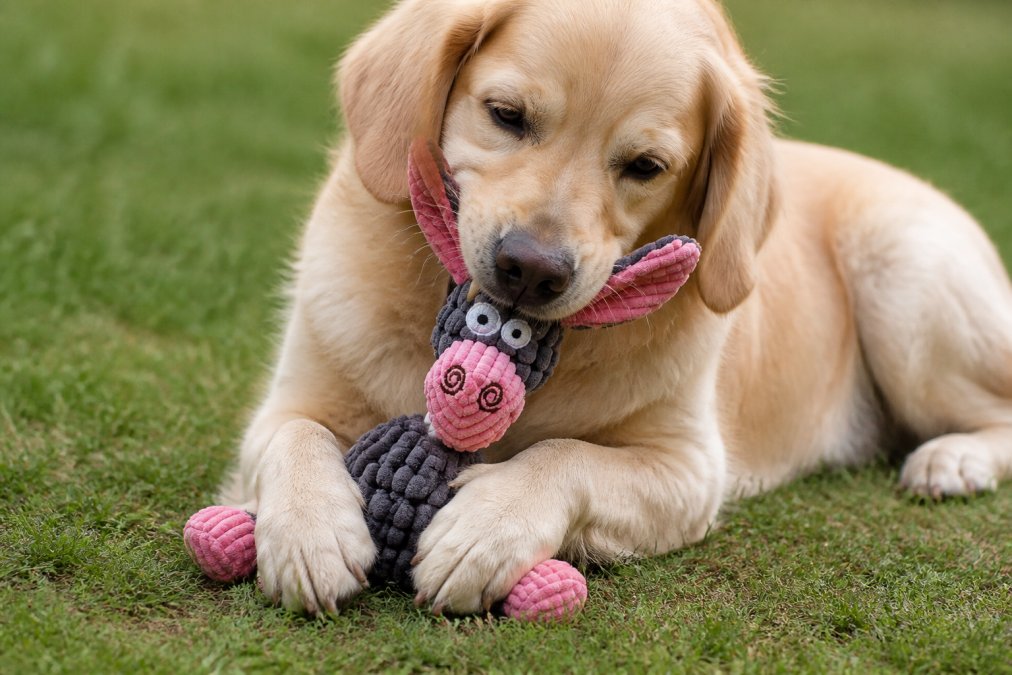
Power chewers require toys made from extremely durable materials that can withstand sustained, intense pressure without splintering or breaking apart. Rubber toys designed for heavy chewing, thick rope toys with reinforced construction, and solid nylon alternatives work best. The Bite-Resistant Cartoon Pet Dog Toy from My Store is specifically designed for dogs with strong chewing drives, using canvas material that resists tearing even under aggressive chewing.
Gentle chewers can safely use a wider variety of toys, including plush toys, softer rubber options, and rope toys. However, even gentle chewers need supervision and regular inspection because even soft toys can develop loose threads or stuffing that poses ingestion risks.
One common mistake is assuming a toy labeled "indestructible" will truly be indestructible for your specific pet. No toy is truly indestructible, the label means it's more durable than typical toys. Even the most durable toys will eventually wear out and need replacement.
Size-Appropriate Selection
A toy that's too small becomes a choking hazard. A toy that's too large might frustrate your pet or cause jaw strain. The general rule: a toy should be large enough that your pet cannot fit the entire toy in their mouth.
For small breed dogs under 10 pounds, toys should be no smaller than the size of a golf ball (aafco.org). Medium breed dogs (10-50 pounds) need toys at least the size of a tennis ball or larger. Large breed dogs (50+ pounds) should have toys substantially larger, think the size of a grapefruit or larger, depending on jaw size.
Measure your pet's muzzle and mouth opening if you're unsure. A toy that can fit completely in your pet's mouth poses choking and obstruction risks. If your pet can partially swallow a toy, that's also dangerous, fragments can lodge in the throat or digestive tract.
Cat toys require different sizing logic. Most cat toys are small, which is appropriate for cats' smaller mouths, but they must be securely constructed so that no parts detach. String-based toys, feather toys, and small balls are common, but they all require supervised play because cats can swallow string or small components.
Signs of a Dangerous Pet Toy: What to Watch For
Inspect toys regularly for wear patterns that indicate they're becoming dangerous. Toys that show visible damage, tears, holes, splintering, or fraying, should be removed immediately, even if they're relatively new.
Look for loose threads, detachable parts, squeakers that are coming loose, and stuffing that's visible or being pulled out. These are all signs that your pet is breaking down the toy's structural integrity. Small detachable parts, squeakers, and stuffing are serious choking and ingestion hazards.
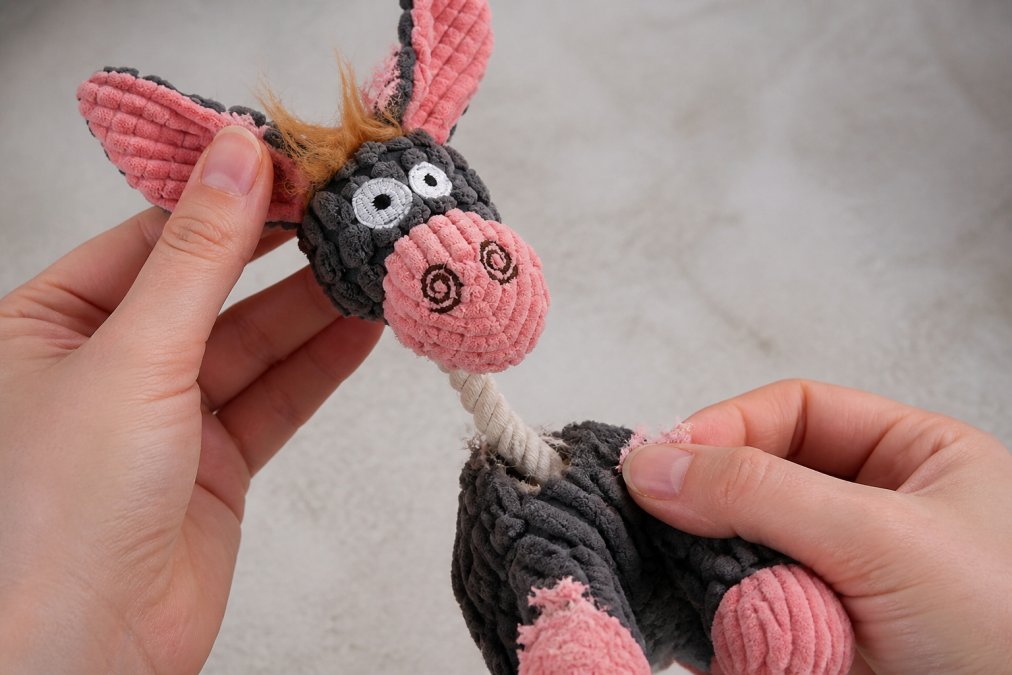
Toys with small or decorative components, buttons, eyes, bells, or plastic attachments, become dangerous once your pet begins to dislodge them. Some toys have these components glued on rather than sewn securely. Inspect these toys frequently and remove them from circulation if any components show signs of loosening.
Discoloration or chemical odors can indicate material degradation or mold growth, particularly in toys that get wet and aren't dried properly. Toys that smell wrong should be discarded.
Toys with sharp edges or splinters, whether from natural materials like wood or from plastic that's cracked, pose injury risks to your pet's mouth and digestive tract. Run your fingers over toys to check for rough spots.
If a toy has been chewed to the point where the original material is barely recognizable, it's time to replace it. Don't wait until your pet actually ingests a dangerous fragment.
Supervised vs. Unsupervised Play: When to Step In
Supervised play means you're actively watching your pet interact with the toy. Unsupervised play means your pet has access to the toy when you're not present or not actively monitoring.
New toys should always be introduced under supervision, at least for the first few sessions. Watch how your pet interacts with it. Does your pet try to swallow pieces? Does the toy hold up to your pet's chewing intensity? Does your pet show signs of frustration or stress? These observations help you determine whether the toy is actually safe for your pet's specific behavior.
Power chewers should primarily have access to toys during supervised play sessions. This allows you to intervene if the toy is being destroyed faster than expected or if your pet is attempting to swallow fragments. Many power chewer toys are marketed for unsupervised use, but the safest approach is supervision, especially initially.
Gentle chewers and dogs with calm play habits can safely have access to durable toys during unsupervised periods. However, even these pets benefit from regular toy inspection and rotation. Leaving the same toy available indefinitely increases the likelihood of wear-related hazards developing.
Interactive toys, puzzle toys, treat-dispensing toys, and toys that require active engagement, are generally best for supervised play. These toys stimulate your pet mentally and physically, but they can create frustration if your pet can't access the reward, leading to destructive chewing of the toy itself.
Solo play toys, toys your pet can entertain themselves with, should be durable enough to withstand extended unsupervised use. Rubber toys, rope toys, and balls designed for solo play are good options for pets left alone for moderate periods.
The key distinction: supervision allows you to prevent dangerous situations before they happen. Unsupervised play requires toys that are proven safe and durable for your specific pet.
How to Clean Pet Toys and Maintain Safety
Toy cleanliness directly impacts your pet's health. Toys accumulate bacteria, mold, and dirt that can cause infections or digestive upset if ingested.
Most rubber and canvas toys can be washed with warm soapy water and a soft brush. Scrub the entire surface, paying special attention to crevices where bacteria hide. Rinse thoroughly and allow complete air drying before returning the toy to your pet. Wet toys can develop mold quickly.
For plush toys, check the manufacturer's care instructions. Many can be machine-washed on a gentle cycle using pet-safe detergent. Avoid fabric softeners or bleach. Air-dry completely, never use a dryer, which can damage the toy's integrity.
Rope toys can be hand-washed or machine-washed. If machine-washing, place them in a mesh laundry bag to prevent them from tangling. Air-dry completely to prevent mold growth.
Toys with squeakers or electronic components may not be washable, check labels carefully. For these toys, wipe them with a damp cloth and allow to air-dry.
Establish a cleaning routine. Weekly cleaning for toys your pet uses daily is reasonable. Monthly deep cleaning for less-frequently used toys helps maintain safety.
During cleaning, inspect toys for damage. If you notice new tears, loose threads, or material breakdown, this is the time to remove the toy from circulation permanently. Cleaning is an opportunity to catch deterioration before it becomes dangerous.
Store clean, dry toys in a designated area. Moisture and darkness encourage mold growth. Ensure toys are completely dry before storage.
When to Replace or Discard Toys
Even the most durable toy has a lifespan. Knowing when to replace toys is critical to maintaining safety.
Replace toys when they show visible damage that can't be repaired, tears, holes, splintering, or chunks missing. Don't attempt to patch damaged toys with tape or glue; these repairs often fail quickly and create new hazards.
Toys that have been chewed down to half their original size or smaller should be replaced. They've deteriorated enough that they may no longer be safe, and your pet has outgrown them in terms of durability.
Toys that no longer hold their shape, toys that are permanently discolored despite cleaning, and toys with persistent odors should be discarded. These signs indicate material breakdown that could pose health risks.
Rotate toys regularly to extend their lifespan and prevent boredom. Instead of leaving all toys available constantly, rotate them weekly. This keeps toys fresher longer and maintains your pet's interest.
Track toy age. If a toy has been in use for more than 6-12 months with a power chewer, or 12-24 months with a gentle chewer, consider replacement even if it still looks acceptable. Material degradation happens internally as well as visually.
Seasonal replacement is worth considering. Toys used heavily during summer play might need replacement before winter. Toys exposed to outdoor elements degrade faster than indoor-only toys.
When you discard a toy, replace it with a new one that you've selected using the same criteria outlined in this guide. This ensures your pet always has access to safe play options.
Choosing safe pet toys protects your pet from choking, intestinal obstruction, and toxic exposure. The process requires attention to materials, sizing, durability, and ongoing maintenance, but it's far simpler than managing a veterinary emergency. At My Store, our Bite-Resistant Cartoon Pet Dog Toy is designed with these safety principles built in, offering power chewers a canvas-based option that withstands aggressive chewing while remaining safe if fragments are ingested. Start by assessing your pet's chewing style, select toys made from non-toxic, durable materials, and commit to regular inspection and cleaning. Your pet's safety and happiness depend on toys that are truly safe for their specific needs.
Frequently Asked Questions
Q: What are the safest materials for safe pet toys?
A: Natural rubber, canvas, and durable fleece are among the safest materials for pet toys. Look for toys made from non-toxic, pet-safe materials that won't splinter or shed fibers. Avoid toys with synthetic dyes, loose stuffing, or rawhide that can cause ingestion risks. Always check product labels for information on manufacturing and safety testing.
Q: How do I check if a toy is safe for my pet to chew?
A: Inspect the toy for detachable parts, loose stitching, and small components that could become choking hazards. Squeeze it firmly to ensure stuffing won't escape. Check that the toy is appropriately sized for your pet's mouth and chewing power. For power chewers, choose reinforced canvas or rubber toys rather than plush options. If the toy shows wear within days of play, it's not durable enough for your pet.
Q: How often should I inspect my pet's toys for damage?
A: Inspect toys at least weekly for signs of wear, splintering, loose seams, or detachable parts. Check more frequently if your pet is an aggressive chewer. Remove any toy showing material integrity issues immediately to prevent ingestion risks and choking hazards. Replace toys that are fraying, torn, or losing stuffing, even if they're still relatively new. Regular inspection catches problems before they become safety emergencies.
Q: What's the difference between supervised and unsupervised play with pet toys?
A: Supervised play means you're actively watching your pet interact with the toy, allowing you to intervene if choking or ingestion risks develop. Unsupervised play happens when your pet plays alone. Reserve durable, reinforced toys like canvas chews for unsupervised time. Save plush toys, rope toys, and puzzle toys for supervised sessions where you can monitor for splintering, loose parts, or excessive chewing. Never leave toys with detachable parts unattended.
This article was written using GrandRanker