

Is a Calming Diffuser Worth It for Cat Anxiety?
Table of Contents
- The Verdict: Is a Calming Diffuser Worth It for Cat Anxiety?
- How Pheromone Diffusers Actually Work for Cats
- Signs of Anxiety in Cats You Should Know
- Cat Calming Diffuser vs. Calming Collar: Which Works Better?
- Real Results: What to Expect and How Long Until Improvement
- How Long Do Cat Calming Diffusers Last and What's the Cost?
- Safety Profile: Are Diffusers Safe for Your Cat?
- When Diffusers Aren't Enough: Environmental Triggers vs. Medical Conditions
- Creating a Calm Environment: Placement and Complementary Strategies
- Frequently Asked Questions
Last Updated: September 28, 2026
The Verdict: Is a Calming Diffuser Worth It for Cat Anxiety?
Whether a calming diffuser cat anxiety solution is worth it depends entirely on what's causing your cat's stress and how committed you are to addressing the root problem. These devices release synthetic pheromones that mimic natural calming signals cats produce, and they work best as part of a broader anxiety management strategy, not as a standalone fix.
The short answer: yes, they're worth trying if your cat shows clear signs of stress-related behaviors. But they're not a miracle cure. Many cat owners see meaningful improvements in behavioral issues like territorial marking, excessive grooming, and hiding within the first week or two. Others notice subtle changes that take longer to appear. The real question isn't whether diffusers work, it's whether they'll work for YOUR cat's specific anxiety triggers.
At My Store, we help pet parents find solutions like a calming diffuser cat anxiety products that actually address their cat's needs. That's why we created this guide: to help you understand what diffusers do, when they're effective, and when you need to dig deeper.
Below, we'll break down the science, show you what realistic results look like, and help you decide if a calming diffuser is the right investment for your situation.
How Pheromone Diffusers Actually Work for Cats
Pheromone diffusers release synthetic versions of feline facial pheromones, specifically F3 pheromones, a naturally occurring compound cats produce from glands located between their eyes and ears. When cats rub their faces on objects, people, or furniture, they deposit these pheromones to mark territory and communicate safety to themselves and other cats. Understanding the chemistry matters because it explains why diffusers work differently than other calming methods.
The chemical mechanism:
Feline facial pheromones are volatile organic compounds that cats detect through the vomeronasal organ (also called the Jacobson's organ), a sensory structure located in the roof of the mouth behind the upper front teeth. This organ is separate from the olfactory system, cats don't "smell" pheromones the way they smell food or other odors. Instead, pheromones trigger a direct neurochemical response in the limbic system, the brain region responsible for emotion and stress regulation. This is why pheromones can calm a cat even if the cat is in an unfamiliar or threatening environment; the signal bypasses conscious perception and activates a calming response at the neurological level.
Synthetic F3 pheromones (sold under brand names like Feliway) are chemically identical to natural feline facial pheromones. The diffuser warms a liquid cartridge containing these synthetic compounds and disperses them into the air as an aerosol. Your cat detects them through the vomeronasal organ, triggering the same calming neural pathway that occurs when the cat rubs its own face on a familiar object.
Why this matters in practice:
Unlike general aromatherapy or scent-based products, pheromone diffusers don't rely on your cat liking a smell. The calming effect is involuntary and species-specific. A diffuser won't calm a dog or affect humans in the room. This also means the diffuser works regardless of your cat's personality or past experiences, a naturally anxious cat and a naturally confident cat will both respond to the same pheromone signal, though the degree of behavioral change may differ.
Diffusers work best in enclosed or semi-enclosed spaces. A single diffuser covers roughly 700 square feet, though effectiveness drops significantly in larger open-concept homes, multi-story layouts, or rooms with high air circulation from fans or HVAC systems. Air movement disperses pheromones before your cat can detect them, which is why placement matters more than many pet owners realize. Plugging a diffuser into a hallway or high-traffic area with constant air movement produces minimal results; placing one in a bedroom or living room where your cat spends concentrated time produces measurable improvement.
Timeline and continuous use:
The calming effect isn't immediate because pheromone detection and neurological response take time. Most cats show initial response within 24-48 hours, but behavioral changes become noticeable over 2-4 weeks as the continuous pheromone signal reinforces the calming pathway. The diffuser must run continuously; turning it on and off defeats the purpose. Cartridges last approximately 30 days with constant use, releasing a consistent dose of pheromones throughout the day and night.
What diffusers don't do:
Pheromone diffusers address anxiety and stress-related behaviors, but they don't treat pain, illness, or medical conditions. A cat with hyperthyroidism, urinary tract infection, or dental disease won't improve with a diffuser alone because the underlying medical cause is driving the behavioral change. Similarly, diffusers don't address severe behavioral problems rooted in early trauma, genetic predisposition to aggression, or deep-rooted separation anxiety. These situations require veterinary diagnosis, medication, or professional behavioral intervention in addition to environmental support.
Signs of Anxiety in Cats You Should Know
Recognizing anxiety in your cat is the first step toward deciding if a calming diffuser is right for them. Cats don't show stress the way dogs do. They don't pace or whine, instead, they withdraw, change their litter habits, or engage in repetitive behaviors that signal something's wrong.
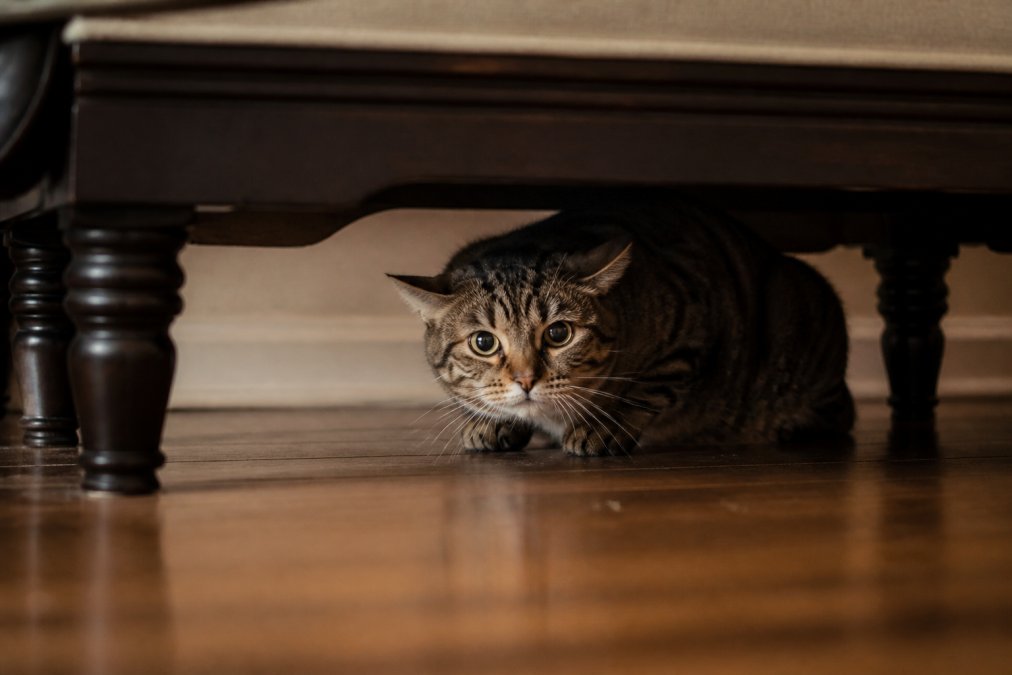
Common signs of feline anxiety include:
- Urine spraying or territorial marking: Your cat marks walls, furniture, or doorways with small amounts of urine. This differs from litter box accidents, it's a stress response to environmental threats.
- Excessive grooming or hair loss: Anxious cats over-groom, sometimes creating bald patches. This self-soothing behavior escalates when stress increases.
- Hiding behavior: Your cat retreats to closets, under beds, or behind furniture for extended periods. While cats naturally enjoy enclosed spaces, excessive hiding signals distress.
- Aggression or irritability: Your cat hisses, swats, or attacks without obvious provocation. Anxiety often manifests as defensive aggression.
- Litter box avoidance: Your cat stops using the litter box consistently, defecating or urinating outside it. This is often stress-related, not a medical issue.
- Decreased appetite or overeating: Anxiety disrupts eating patterns. Some cats stop eating; others stress-eat.
- Excessive vocalization: Your cat meows, yowls, or cries more than usual, especially at night.
- Social withdrawal: Your cat avoids interaction with family members or other pets it normally tolerates.
These behaviors can indicate anxiety, but they can also signal medical problems, urinary tract infections, hyperthyroidism, or dental disease all cause similar signs. Before investing in a diffuser, schedule a vet checkup to rule out health issues. Once medical causes are excluded, anxiety management becomes the focus.
Cat Calming Diffuser vs. Calming Collar: Which Works Better?
When comparing delivery methods for synthetic pheromones, you have three main options: diffusers, collars, and sprays. Each has trade-offs worth understanding.
Diffusers release pheromones continuously into the air, creating a calming environment for any cat in the space. They work passively, your cat doesn't need to wear anything. The downside: they only work in the room where they're plugged in, and they're useless if your cat spends time in multiple areas of your home.
Calming collars release pheromones directly onto your cat's neck and chest. Your cat carries the calming effect wherever they go. This makes collars ideal for anxious cats that roam multiple rooms or spend time outdoors. The trade-off: some cats find collars uncomfortable, and the pheromone release is localized, other cats in the home don't benefit.
Sprays offer targeted application. You spray them on bedding, furniture, or specific areas where your cat spends time. They're portable and flexible, but the effect is temporary, lasting only a few hours to a day. Sprays work best for situational anxiety (vet visits, travel, moving day) rather than ongoing stress management.
For most households, diffusers remain the most practical choice. They're set-and-forget, they benefit all cats in the treated space, and they provide consistent pheromone exposure. Collars work best if your cat has separation anxiety or spends significant time away from home. Sprays are supplementary tools for acute stress events.
The effectiveness gap between these methods is smaller than the marketing suggests. What matters most is consistency and addressing underlying environmental triggers.
Sweet Cozy Cat Bed Cave – Washable →
Real Results: What to Expect and How Long Until Improvement
Managing expectations is critical. Diffusers produce measurable but often subtle changes. You won't see your anxious cat transform into a completely relaxed pet overnight. What you should see: a gradual reduction in stress-related behaviors within 2-4 weeks of continuous use.
Here's what realistic improvement looks like:
- Week 1-2: Some cats show immediate calming, less hiding, reduced vocalization, more interaction. Others show no visible change. Both are normal.
- Week 3-4: Behavioral improvements typically become noticeable. Urine spraying decreases, grooming normalizes, and your cat seems more settled.
- Week 4-8: If the diffuser is going to work for your cat, you'll see consistent improvements by this point. Stress-related behaviors diminish further.
The timeline depends on several factors. Cats living with ongoing environmental stressors (construction noise, frequent visitors, other aggressive pets) may show slower improvement because the diffuser addresses symptoms, not the root cause. Cats in stable, low-stress environments respond faster.
One important distinction: a calming diffuser reduces anxiety, it doesn't eliminate it. Your cat will still react to genuine threats or major disruptions. What changes is the baseline stress level and how quickly your cat recovers from stressful events.
If you see no improvement after 8 weeks of continuous use, the diffuser likely isn't working for your cat. This doesn't mean diffusers don't work in general, it means your cat's anxiety may stem from a different trigger or require additional intervention.
How Long Do Cat Calming Diffusers Last and What's the Cost?
Understanding the true cost of ongoing use helps you decide if a diffuser fits your budget and lifestyle.
| Component | Duration | Cost | Annual Cost |
|---|---|---|---|
| Diffuser unit (one-time) | Indefinite | $15-35 | $0 (after initial purchase) |
| Cartridge refill | 30 days | $20-30 | $240-360 |
| Replacement unit (if needed) | 2-3 years | $15-35 | $5-15 |
| Total annual cost | , | , | $245-375 |
The diffuser plug-in unit itself lasts 2-3 years before the heating element fails. When it does, you replace just the unit, not the entire system. Cartridges are the ongoing expense.
Many pet parents find diffusers cost-effective compared to alternatives. They're cheaper than ongoing medication and less invasive than behavioral training.
Safety Profile: Are Diffusers Safe for Your Cat?
Synthetic pheromone diffusers are considered safe for cats when used as directed. They contain no medications, no sedatives, and no chemicals that are toxic to felines. The pheromones are species-specific, they affect cats but have no impact on dogs, humans, or other animals in your home.
What to watch for:
- Allergic reactions: Rare, but some cats may react to the cartridge materials or additives. Signs include excessive drooling, vomiting, or skin irritation. Stop use immediately if you notice these.
- Respiratory sensitivity: Cats with asthma or chronic respiratory disease may experience irritation from continuous aerosol exposure. Use with caution and monitor for coughing or wheezing.
- Overheating concerns: Diffusers generate minimal heat, but don't place them directly against flammable materials or where your cat could knock them over and cause burns.
- Interaction with medications: Pheromone diffusers don't interact with anxiety medications, antibiotics, or other common cat medications. They're safe to use alongside pharmaceutical treatment.
When Diffusers Aren't Enough: Environmental Triggers vs. Medical Conditions
Diffusers work best when anxiety stems from environmental stressors or social conflict. They're far less effective when anxiety has a medical root or when environmental triggers are severe and ongoing. Learning to distinguish between these categories is essential because the treatment approach differs fundamentally.
Environmental triggers diffusers can effectively address:
- Introduction of new pets or family members: A new cat, dog, or person in the home creates social uncertainty. The diffuser creates a calming baseline while your cat adjusts. Improvement typically appears within 2-4 weeks as the new presence becomes familiar.
- Moving to a new home: Cats are territorial, and a new environment triggers anxiety. A diffuser plugged in immediately upon arrival helps your cat acclimate faster. Combined with familiar objects (bedding, toys) from the previous home, diffusers significantly reduce stress-related behaviors in relocated cats.
- Changes in routine: Alterations to feeding times, owner work schedules, or daily activity patterns create low-level stress. Diffusers help stabilize your cat's emotional response while the cat adjusts to the new routine.
- Mild social conflict between household cats: When cats in the same home experience tension, avoiding each other, occasional hissing, or territorial posturing, diffusers reduce baseline stress and make cohabitation more tolerable. This is especially effective in multi-cat households where conflict is situational rather than rooted in aggression.
- Situational stress events: Thunderstorms, fireworks, construction noise, or temporary household disruptions trigger acute anxiety. A diffuser running continuously provides ongoing support during these periods.
Medical conditions that mimic anxiety but require different treatment:
- Hyperthyroidism: Overactive thyroid glands cause increased metabolism, leading to restlessness, excessive vocalization, and behavioral changes that resemble anxiety. Blood tests confirm diagnosis. Treatment involves medication, dietary management, or radioactive iodine therapy. A diffuser masks symptoms but doesn't address the thyroid dysfunction.
- Urinary tract infections or feline lower urinary tract disease (FLUTD): These conditions cause pain during urination, leading to litter box avoidance and inappropriate elimination outside the box. Cats often hide due to discomfort, not anxiety. Urinalysis and imaging confirm diagnosis. Antibiotics, dietary changes, or increased water intake treat the underlying condition.
- Chronic pain from arthritis, dental disease, or injury: Older cats or cats with joint disease experience pain that increases with movement. They hide, avoid interaction, and show behavioral changes. X-rays or dental examination reveal the cause. Pain management through medication, weight management, or environmental modifications (lower litter boxes, ramps) addresses the root problem.
- Cognitive dysfunction in senior cats: Cats over 15 years old sometimes develop feline cognitive dysfunction, similar to dementia in humans. Signs include disorientation, nighttime vocalization, and litter box avoidance. This requires veterinary assessment and medication; diffusers provide minimal benefit.
- Neurological conditions: Seizures, brain tumors, or other neurological disorders can cause behavioral changes that appear anxiety-related. Veterinary imaging and neurological examination are necessary for diagnosis.
- Gastrointestinal issues: Inflammatory bowel disease, food allergies, or parasites cause discomfort and behavioral changes. Cats may hide, avoid eating, or show aggression due to pain. Diagnostic testing (fecal exam, bloodwork, ultrasound) and dietary or medical management are required.
Severe behavioral problems that require more than environmental support:
- Severe aggression rooted in early trauma or genetics: Some cats have a predisposition to aggression or were traumatized early in life. Diffusers reduce baseline stress but don't resolve the underlying behavioral pattern. These cats often require medication (like fluoxetine or buspirone) combined with behavioral training and environmental management.
- Deep-rooted separation anxiety: Cats that panic when owners leave, destroying furniture or eliminating outside the litter box due to separation distress, need more than a diffuser. Behavioral desensitization, medication, and gradual training to tolerate alone time are necessary.
- Multi-cat households with serious territorial disputes: When cats in the same home show persistent aggression, stalking, or blocking access to resources, the conflict is often rooted in incompatibility or early negative experiences together. Diffusers help reduce tension but may not resolve the underlying dynamic. These situations sometimes require separating cats into different areas, professional behavioral consultation, or medication.
How to distinguish between environmental anxiety and medical causes:
- Did the behavioral change occur suddenly or gradually? Sudden changes (within days) often signal medical problems or acute stress. Gradual changes over weeks may indicate environmental adjustment or chronic stress.
- Are there other physical signs? Weight loss, changes in appetite, vomiting, diarrhea, excessive thirst, or changes in litter box frequency suggest medical causes. Anxiety alone typically doesn't produce these signs.
- Is your cat in pain or discomfort? Does your cat limp, avoid jumping, cry when touched, or show reluctance to move? These indicate pain, not anxiety.
- Did something specific change in the environment? A new pet, move, schedule change, or family disruption points to environmental anxiety. If nothing changed, medical causes are more likely.
- How old is your cat? Cats under 5 years old with sudden behavioral changes are more likely experiencing environmental stress or medical issues. Cats over 10 years old showing new behaviors are more likely experiencing age-related medical conditions.
The veterinary assessment step (non-negotiable):
Creating a Calm Environment: Placement and Complementary Strategies
Maximizing diffuser effectiveness requires strategic placement and complementary environmental modifications.
Optimal diffuser placement:
- Plug diffusers into rooms where your cat spends the most time
- Position them away from air vents, fans, or open windows, these disperse pheromones before your cat can detect them
- Avoid placing diffusers in high-traffic areas where they're easily knocked over
- For multi-story homes, use one diffuser per floor in the main living area
Complementary environmental strategies:
- Create hiding spaces: Anxious cats need secure places to retreat. Provide cat beds, boxes, or enclosed furniture. My Store's Sweet Cozy Cat Bed Cave ($24.28) offers the semi-closed design cats naturally prefer, creating a safe refuge that works alongside pheromone therapy.
- Maintain consistent routine: Feed, play, and interact with your cat at predictable times. Routine reduces anxiety more effectively than any product.
- Vertical enrichment: Install cat trees or shelves. High perches give anxious cats a sense of control and safety.
- Environmental enrichment: Rotate toys, provide puzzle feeders, and create interactive play sessions. Mental stimulation reduces stress.
- Minimize loud noises: Use white noise machines during thunderstorms or construction to mask sudden sounds that trigger anxiety.
- Multi-cat management: If you have multiple cats, ensure separate litter boxes, food bowls, and resting areas. Social conflict drives anxiety in multi-cat households.
Frequently Asked Questions
Do calming diffusers really work for cat anxiety?
Calming diffusers containing synthetic feline facial pheromones can reduce stress-related behaviors in many cats, including urine spraying, excessive grooming, and hiding. However, effectiveness varies by individual cat and the underlying cause of anxiety. They work best for situational stress (moving, new pets, loud noises) and are most effective when combined with environmental enrichment and behavioral modification strategies. Cats with medical conditions or severe anxiety may need veterinary intervention alongside diffuser use.
How long do cat calming diffusers last before needing replacement?
Most calming diffusers last 30 days per refill when used continuously. The duration depends on room size, diffuser model, and whether the device runs continuously or on a timer.
What's the difference between a cat calming diffuser and a calming collar?
Calming diffusers release synthetic pheromones into the environment, creating a calming effect for any cat in that space. Calming collars deliver pheromones directly around the cat's face and neck. Diffusers work best for environmental stress and multi-cat households, while collars provide portable, targeted relief for individual cats during travel or outdoor situations. Collars are ideal for cats that need constant calming signals, while diffusers are better for managing household-wide tension or territorial marking.
Are pheromone diffusers safe for cats and kittens?
Yes, synthetic pheromone diffusers are non-invasive and veterinary-endorsed as safe for cats of all ages, including kittens. They contain only synthetic versions of naturally occurring feline facial pheromones and don't contain sedatives, medications, or harmful chemicals. The diffusers don't affect human family members. However, if your cat has respiratory sensitivities, ensure good room ventilation. Always follow the manufacturer's instructions and consult your veterinarian if your cat shows any unusual reactions or if anxiety stems from a medical condition.