

Hypoallergenic Cat Bed Materials Guide
Table of Contents
- Understanding Pet Allergies and Sensitivities in Cats
- Signs of Pet Allergies to Bedding
- Best Materials for Hypoallergenic Cat Bed Design
- Non-Toxic Cat Bed Fabrics and Chemical Hazards
- The Role of Tight-Weave Fabrics in Allergen Reduction
- How to Clean Cat Beds for Allergies
- Certifications and Safety Testing Standards
- Recommended Hypoallergenic Cat Bed Options
Last Updated: August 21, 2026
Understanding Pet Allergies and Sensitivities in Cats
Cats develop allergies and sensitivities to their environment just like humans do. When your cat spends hours on bedding that triggers an allergic response, consequences range from mild itching to serious respiratory issues. Pet allergies stem from dust mites in traditional bedding, chemical residues from synthetic materials, dyes, and natural fiber shedding. The immune system treats these substances as threats, triggering inflammation, itching, and sometimes respiratory distress.
A hypoallergenic cat bed materials guide helps you navigate available options. At My Store, we've curated a selection of thoughtfully designed pet beds that prioritize your cat's comfort and health. The key is understanding which materials work best, which ones to avoid, and how to maintain your cat's bed properly.

Signs of Pet Allergies to Bedding
Excessive scratching and licking, particularly around the face, ears, and paws, indicate bedding might be triggering allergies. Respiratory issues like sneezing, coughing, or wheezing suggest dust mites or off-gassing from synthetic materials are affecting your cat's lungs. Red, inflamed skin or hair loss in patches suggests contact dermatitis from dyes or chemical treatments.
Behavioral changes also matter. A cat that suddenly avoids their bed, becomes lethargic, or shows anxiety may be reacting to the materials. Digestive upset can result from inhaling irritants during sleep when the cat's face is pressed into bedding.
These symptoms overlap with other conditions like fleas and fungal infections. Choosing hypoallergenic cat bed materials from the start prevents confusion and keeps your pet healthy. If your cat already shows these symptoms, switching to non-toxic, allergen-resistant bedding often brings relief within days.
Best Materials for Hypoallergenic Cat Bed Design
The material your cat sleeps on matters more than almost any other factor in preventing allergies. Some materials trap allergens and moisture, while others actively repel dust mites and resist chemical off-gassing.
Organic Cotton and Natural Fibers
Organic cotton is one of the safest choices for hypoallergenic cat bed materials because it's grown without synthetic pesticides or herbicides. Unlike conventional cotton, which is treated with harsh chemicals during cultivation and processing, organic cotton undergoes minimal chemical processing, meaning fewer residues that trigger respiratory irritation or skin sensitivities.
Cotton's natural breathability allows air circulation, reducing moisture buildup that attracts dust mites. The fiber is durable enough to withstand frequent washing, essential for maintaining a hypoallergenic sleeping space.
Hemp is naturally antimicrobial, resisting mold and dust mite colonization without chemical treatments. Hemp fabric is highly breathable and becomes softer with each wash. For cats with severe sensitivities, hemp-cotton blends offer the best of both worlds.
Linen, made from flax fibers, is naturally hypoallergenic, breathable, and resistant to dust mites. The tight weave of quality linen reduces allergen penetration, making it excellent for cat bed covers.
Natural Latex and Merino Wool
Natural latex from rubber tree sap doesn't off-gas harmful volatile organic compounds (VOCs) like synthetic foam. It's naturally antimicrobial and dust mite resistant. Always verify that any latex used is natural and hasn't been treated with chemical flame retardants.
Merino wool is exceptionally fine and soft, finer than wool that causes itching in humans (peer-reviewed research). Merino naturally regulates temperature and moisture while resisting dust mites. The fiber's lanolin content provides an additional protective barrier, making merino beds particularly good for cats with sensitive skin.
Tencel and Sustainable Alternatives
Tencel (lyocell) is made from sustainably harvested wood pulp using a closed-loop production system that recycles solvents, resulting in minimal chemical residue. Tencel has moisture-wicking properties similar to merino wool and becomes softer with washing.
Bamboo viscose offers similar benefits but is made from bamboo rather than wood pulp. Look for bamboo viscose made using closed-loop production to ensure minimal chemical residue.
Non-Toxic Cat Bed Fabrics and Chemical Hazards
Many conventional pet beds contain chemicals that seem harmless until your cat spends eight hours daily breathing them in.
Avoiding Fire Retardants and Chemical Dyes
Fire retardants added to bedding can trigger allergic reactions in cats. Chemicals like brominated flame retardants don't stay locked in the fabric; they migrate into the air and onto your cat's skin. Chemical dyes often contain heavy metals and azo dyes that break down into carcinogenic compounds, causing contact dermatitis or respiratory irritation.
Seek bedding with non-toxic dyes or natural plant-based pigments. GOTS (Global Organic Textile Standard) certification ensures organic cotton has been dyed and finished with non-toxic chemicals. Oeko-Tex Standard 100 certification tests for harmful substances and ensures the final product is safe for sensitive skin.
Off-Gassing and VOCs in Synthetic Materials
Synthetic foam, polyester, and acrylic fibers often release volatile organic compounds (VOCs) during their first weeks of use. Memory foam is particularly prone to off-gassing because of chemical adhesives used in manufacturing.
Natural latex and certified non-toxic foam alternatives don't off-gas significantly. When shopping for hypoallergenic cat bed materials, prioritize beds made with natural latex, plant-based foam, or traditional materials like wool and cotton that don't off-gas.
The Role of Tight-Weave Fabrics in Allergen Reduction
The weave density of fabric determines how effectively it blocks dust mites and allergens. A tight weave creates a physical barrier that dust mites can't penetrate, dramatically reducing allergen accumulation.
Dust mites are microscopic, about 0.3 millimeters in size (peer-reviewed research). A loose weave allows them to migrate into fill material where they multiply. A tight weave keeps them on the surface, where they can be removed through regular washing.
High-thread-count cotton and quality linen naturally have tight weaves. Merino wool also has a naturally dense structure that resists dust mite penetration. Some manufacturers use specialized barrier fabrics designed to block dust mites and allergens while remaining breathable.
A tight-weave outer cover combined with hypoallergenic fill materials creates the most effective allergen-resistant bed. This layered approach is why premium hypoallergenic options cost more.
How to Clean Cat Beds for Allergies
Even the best hypoallergenic cat bed materials accumulate allergens over time. Regular cleaning is essential for maintaining the bed's allergen-reducing properties.
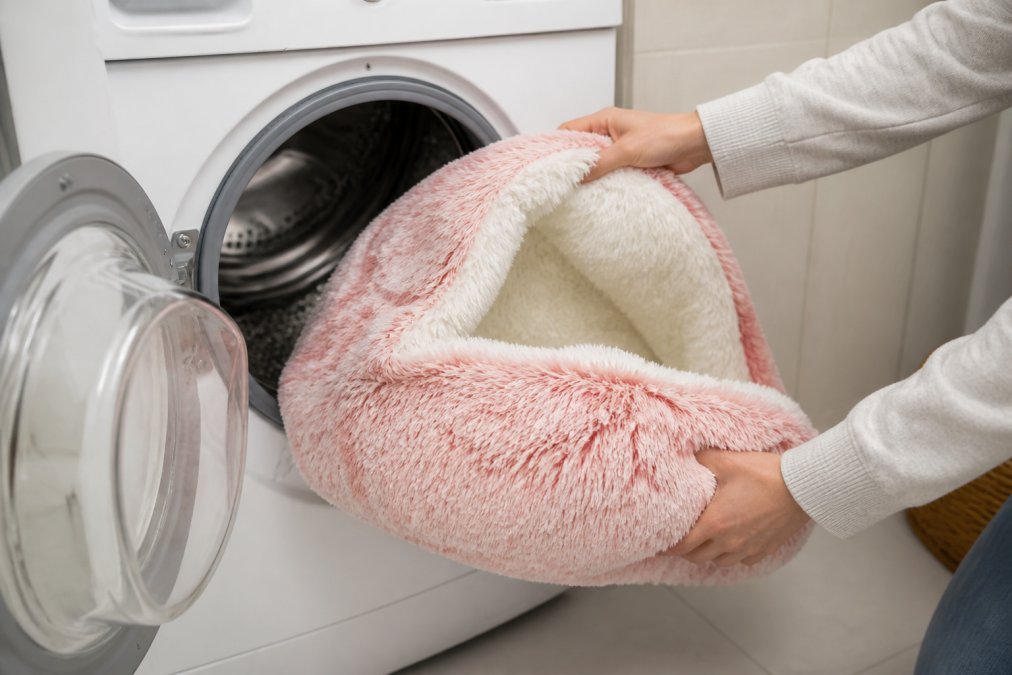
Wash removable covers every 1-2 weeks if your cat has allergies. Use hot water (at least 130 degrees Fahrenheit) to kill dust mites; they can't survive temperatures above 130 degrees (the CDC).
Choose a gentle, fragrance-free detergent specifically formulated for sensitive skin. Avoid fabric softeners and dryer sheets, which leave chemical residues. Dry the bed thoroughly before your cat uses it again; moisture creates ideal conditions for dust mites and mold.
Sunlight is a natural dust mite killer. When weather permits, hang the bed cover in direct sunlight for several hours. UV rays kill dust mites and their allergens.
Replace the bed entirely every 12-24 months if your cat has severe allergies. Even with excellent care, dust mites and allergens accumulate in fill material over time.
Certifications and Safety Testing Standards
Certifications provide third-party verification that a bed meets specific safety and quality standards.
GOTS (Global Organic Textile Standard) certification verifies that organic cotton has been grown without synthetic pesticides and processed without harmful chemicals. Oeko-Tex Standard 100 certification tests finished products for harmful substances including heavy metals, formaldehyde, pesticides, and restricted dyes.
CertiPUR-US certification applies to foam used in bedding, verifying that polyurethane foam doesn't contain ozone-depleting chemicals, heavy metals, or flame retardants of concern. GreenGuard Gold certification tests for low chemical emissions and ensures products meet strict standards for VOC off-gassing.
Look for products that carry multiple certifications. A bed certified by both GOTS and Oeko-Tex has undergone more rigorous testing than one with a single certification. Certifications matter because they're verified by independent third parties, giving you confidence that the product actually delivers on its promises.
Recommended Hypoallergenic Cat Bed Options
Finding the right hypoallergenic cat bed means matching materials to your cat's specific sensitivities and your household needs.
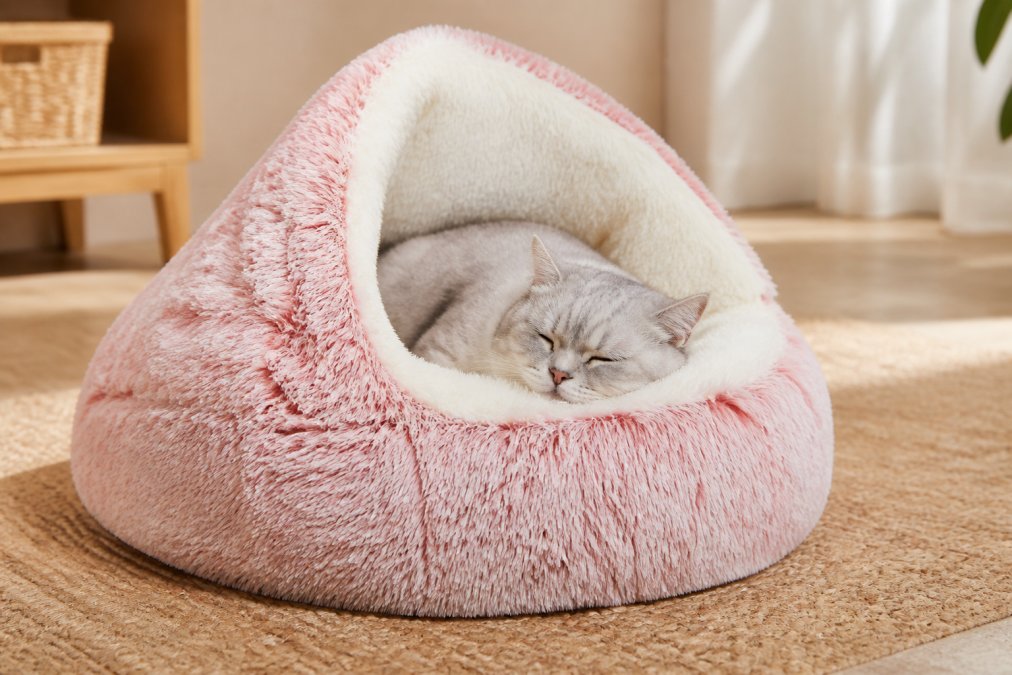
My Store's Semi-Closed Cat Bed with Universal Cover is an excellent starting point for cats with sensitivities. The semi-closed design reduces drafts and creates a sense of security. The universal cover is removable and washable, making it easy to maintain allergen control. At $12.99, it's an accessible option for testing whether your cat responds well to hypoallergenic bedding.
The Spotted Play Orthopedic Dog Bed with Sides offers hypoallergenic benefits alongside orthopedic support. The removable, washable cover makes cleaning simple. The supportive foam is designed to be non-toxic, and the waterproof lining prevents moisture from accumulating in fill material. At $89.99, this option provides comprehensive allergen protection with joint support for older cats.

The ZOMISIA Orthopedic Dog Bed for Medium Size Dog combines plush comfort with hypoallergenic materials. The egg foam construction minimizes off-gassing, and the removable cover simplifies cleaning. At $119.99, this premium option delivers maximum comfort and allergen protection for cats with significant sensitivities.
| Feature | Semi-Closed Bed | Spotted Play Orthopedic | ZOMISIA Orthopedic |
|---|---|---|---|
| Starting Price | $12.99 | $89.99 | $119.99 |
| Cover Type | Removable | Removable, Waterproof | Removable |
| Fill Material | Hypoallergenic | Non-toxic Foam | Egg Foam |
| Best For | Budget-conscious, mild sensitivities | Joint support + allergies | Premium comfort + severe allergies |
| Washability | Easy | Very Easy | Very Easy |
The most important factor is choosing a bed with removable, washable covers. This single feature makes allergen management possible.
Finding the right hypoallergenic cat bed materials requires understanding both the materials themselves and your cat's specific sensitivities. Quality options exist at multiple price points. My Store offers several hypoallergenic cat bed options designed with your cat's comfort and health in mind. Whether you start with the affordable Semi-Closed Bed or invest in a premium orthopedic option, you're taking a meaningful step toward reducing allergens in your cat's environment. Shop Pet Essentials Now and give your cat the clean, comfortable sleeping space they deserve.
Frequently Asked Questions
What is the best material for a hypoallergenic cat bed?
Organic cotton, natural latex, and merino wool are top choices for hypoallergenic cat beds. These materials resist dust mites and pet dander accumulation better than synthetics. Look for tight-weave fabrics that create a barrier against allergens. Avoid synthetic foams with off-gassing properties and chemical dyes. Certifications like GOTS (Global Organic Textile Standard) confirm non-toxic materials. The Semi-Closed Cat Bed with Universal Cover offers a versatile option with washable covers that support allergen reduction.
How do I know if my cat has a contact allergy to their bed?
Signs of contact allergies include excessive scratching, redness or irritation on the skin, hair loss, or respiratory issues after spending time on the bed. Your cat may avoid the bed entirely or show signs of discomfort like restlessness. If allergic reactions appear within hours of lying on the bed and improve when using a different sleeping surface, contact allergies are likely. Switching to non-toxic, hypoallergenic materials and washing the bed frequently can help identify if the bedding is the culprit.
How often should I wash a hypoallergenic cat bed?
Wash hypoallergenic cat beds every 1-2 weeks to reduce dust mites and pet dander buildup. For cats with known sensitivities, weekly washing is ideal. Use fragrance-free, hypoallergenic detergent and avoid fabric softeners or bleach, which can leave irritating residues. Hot water (130°F or higher) kills dust mites effectively. Air-dry or use low heat to prevent damage to natural fibers. Removable, washable covers like those on the Spotted Play Orthopedic Dog Bed make frequent cleaning convenient.
What materials should I avoid in cat beds if my pet has sensitive skin?
Avoid synthetic foams with off-gassing issues, beds treated with fire retardants, and those dyed with harsh chemical dyes. Polyurethane and memory foam can emit volatile organic compounds (VOCs) that irritate respiratory systems. Skip beds with plastic or rubber backing unless they're certified non-toxic. Avoid low-quality polyester blends that trap moisture and encourage dust mite growth. Stick with certified organic, breathable fibers instead. Always check product certifications and material sourcing before purchasing.
Are memory foam cat beds hypoallergenic?
Standard memory foam beds are not truly hypoallergenic. Traditional synthetic foam can off-gas VOCs that irritate sensitive cats and trap dust mites within dense material. However, some premium memory foam options use plant-based or latex-infused cores that reduce off-gassing. If choosing a foam bed, look for certifications confirming low VOC emissions and non-toxic manufacturing. Natural latex foam is a safer alternative to synthetic memory foam for allergic cats. Always verify material composition and safety testing before purchase.
What are the benefits of organic cotton for cat bedding?
Organic cotton is naturally hypoallergenic, breathable, and free from synthetic pesticides and chemical dyes used in conventional cotton. It resists dust mites better than many synthetics and allows moisture to wick away, keeping your cat dry and comfortable. Organic cotton is soft on sensitive skin and less likely to trigger allergic reactions. It's also durable and becomes softer with washing. Look for GOTS certification to confirm authentic organic sourcing and non-toxic processing throughout the supply chain.
This article was written using GrandRanker